
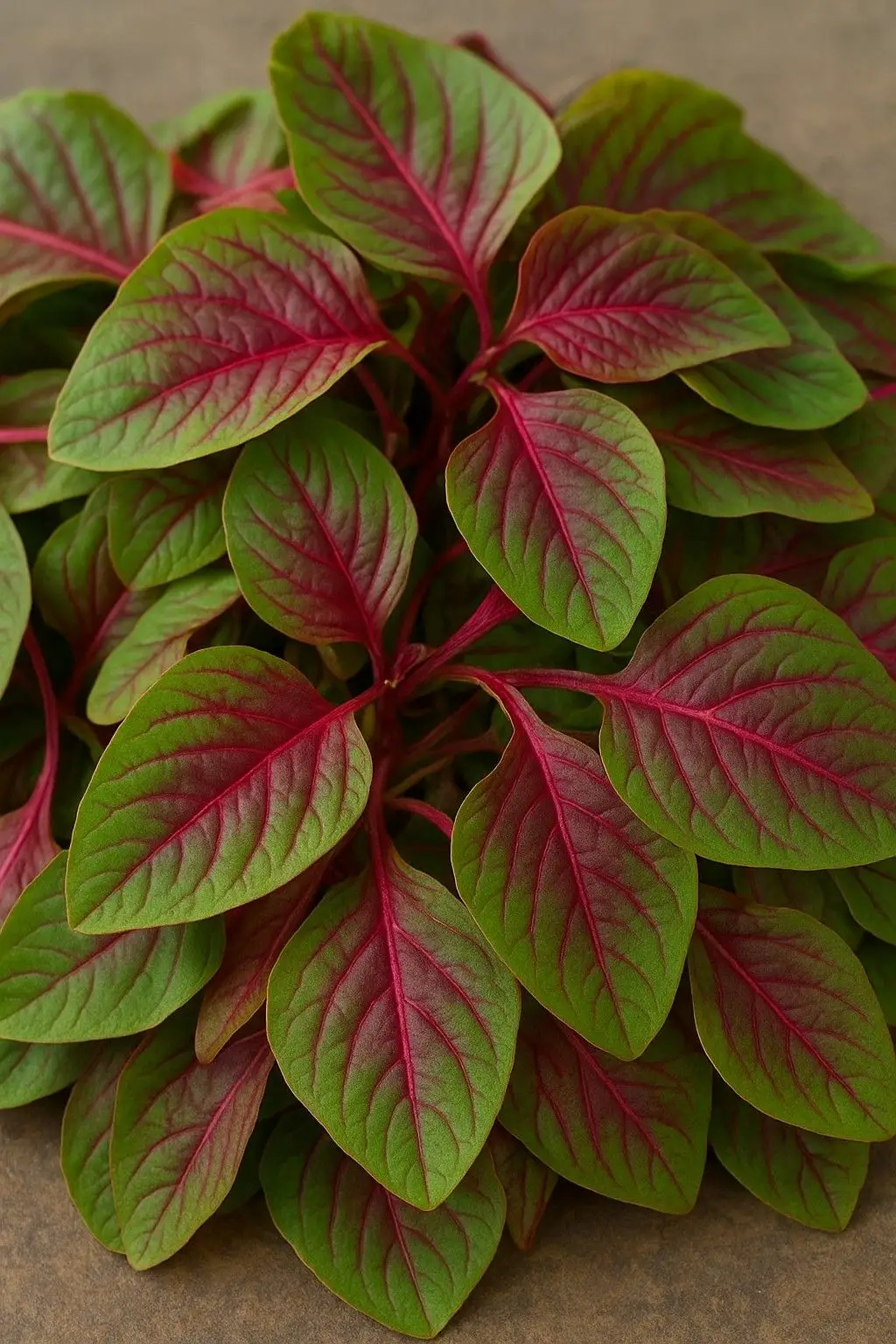
Amaranth leaves, or chaulai, are a powerhouse of nutrients, including vitamins, minerals, and antioxidants. They are versatile in cooking and highly valued for their health benefits, making them a profitable crop for farmers. In India, the cultivation of amaranth leaves can be an excellent way to boost both nutrition and income.

Land Preparation
The first step in successful amaranth cultivation is proper land preparation. Amaranth thrives in well-drained, loamy soil with a pH level between 6.5 and 7.5. Begin by ploughing the field thoroughly to achieve a fine tilth. This helps the roots penetrate the soil easily. It is also crucial to incorporate organic matter into the soil to improve its fertility and structure. Adding about 10-15 tons of farmyard manure (FYM) per hectare can significantly enhance soil health. This organic matter provides essential nutrients and improves soil aeration and water-holding capacity.
Seed Selection and Sowing
Selecting high-quality seeds is critical for a good harvest. Choose seeds from reputable sources to ensure high germination rates and healthy plants. In India, some recommended varieties include ‘Badi Chaulai’ and ‘Lal Chaulai’. The best time to sow amaranth seeds is during the cooler months, preferably at the onset of the monsoon season or in the early winter.
- Seed Rate: Approximately 2-3 kg of seeds per hectare.
- Sowing Depth: Sow seeds at a depth of 1-2 cm.
- Spacing: Maintain a spacing of 25-30 cm between rows and 10-15 cm between plants within a row.
Sowing should ideally be done in the early morning or late afternoon to avoid the heat of the day. This timing helps in minimising water loss and ensures better seed germination.
Soil Bed Preparation and Seed Sowing Process
For smaller plots, a more hands-on approach is needed. Prepare a soil bed that is about 1 meter wide and 3 meters long. Mix roughly 10 kg of well-decomposed FYM or compost manure into the soil of each bed. This will provide a rich supply of nutrients to the young plants. Additionally, add 50 grams of Forate and 100 grams of Bavistin powder to each bed and mix thoroughly with the soil to prevent soil-borne diseases.
Next, create parallel lines 2 cm deep and 5 cm apart across the bed. Sow the seeds evenly in these lines and cover them lightly with fine compost material. This thin layer of compost will protect the seeds and help retain moisture. Water the bed lightly using a sprinkler to ensure the soil remains moist, which is crucial for seed germination.
Watering and Irrigation
Amaranth plants require consistent moisture for optimal growth, but they are also quite resilient to water stress. Initially, water the plants lightly but frequently to keep the soil moist. As the plants are established, you can reduce the frequency of watering but increase the amount of water per irrigation to encourage deep root growth. Drip irrigation is highly recommended as it conserves water and provides a consistent moisture level, reducing the risk of fungal diseases.
Fertilisation
Amaranth is a nutrient-demanding crop, and proper fertilization is key to achieving high yields. At the time of transplanting, apply a balanced fertilizer containing nitrogen, phosphorus, and potassium. A typical recommendation is 120 kg of nitrogen, 80 kg of phosphorus, and 60 kg of potash per hectare. Split the nitrogen application into two doses: one at transplanting and the second at 30-45 days after transplanting. This ensures that the plants have a steady supply of nutrients during their critical growth stages.
Pest and Disease Management
Effective pest and disease management is crucial for a healthy amaranth crop. Here are some common pests and diseases, along with their treatments:
Pests
- Thrips: These small insects cause distorted and silvery leaves.
- Control: Spray Imidacloprid 17.8 SL at 60 ml per acre in 150 litres of water.
- Nematodes: They cause yellowing and reduced plant growth.
- Control: Apply Forate at 5 kg or Carbofuran at 10 kg per acre.
- Diamond Back Moth: Larvae feed on leaves, damaging the plant.
- Control: Spray Spinosad 25% SC at 80 ml per 150 litres of water per acre.
Diseases
- White Mold: Caused by Sclerotinia sclerotiorum, leading to grey lesions on leaves and stems.
- Control: Spray Metalaxyl + Mancozeb at 2 g/liter of water every 10 days.
- Damping Off: Caused by Rhizoctonia solani, leading to seedling death.
- Control: Apply Ridomil Gold at 2.5 g/liter to roots and ensure proper irrigation.
- Downy Mildew: Characterized by orange or yellow lesions on leaves.
- Control: Spray Metalaxyl 8% + Mancozeb 64% WP at 250 g/150 liters of water.
Regular monitoring of the crop for early signs of pest and disease infestation is essential. Early intervention can prevent significant damage and reduce the need for chemical treatments.
Intercultural Operations
To maintain a healthy crop, ensure that the field is weed-free. Weeds compete with amaranth plants for nutrients, water, and light, which can severely impact crop yields. Conduct shallow hoeing at 20-25 days after transplanting to remove weeds and loosen the soil for better aeration. This promotes root growth and overall plant health. Mulching with organic materials can also help suppress weeds and retain soil moisture.
Organic Farming Preferences
For those interested in organic farming, several practices can be adapted to grow amaranth sustainably. Use natural fertilizers like compost, green manures, and vermicompost instead of chemical fertilizers. Employ biological control methods for pest management, such as neem oil, garlic extract, and beneficial insects like ladybugs and predatory wasps.
Mulching with organic materials, such as straw or dried leaves, helps retain soil moisture, suppress weeds, and add organic matter to the soil as it decomposes. Crop rotation and intercropping with legumes can also improve soil fertility and break pest and disease cycles.
Primary Processing
Once harvested, amaranth leaves should be cleaned thoroughly. Remove any damaged or discoloured leaves. Rinse the leaves in clean water to remove soil and debris. Allow the leaves to drain properly before packaging to prevent excess moisture, which can lead to spoilage.
Packaging, Storage, and Transportation
Proper packaging, storage, and transportation are crucial to maintaining the quality and shelf life of amaranth leaves. Pack the leaves in breathable bags or crates to allow for air circulation and prevent wilting. Store the packed leaves in a cool, dry place to prolong freshness. During transportation, protect the produce from direct sunlight and heat to avoid wilting and spoilage.
Identification and Traceability
Product Labelling:
Clear and informative labels are essential for consumer trust and product traceability. Labels should include the product name, weight, certifications (like organic or non-GMO), nutritional information, country of origin, and harvest date. This information helps consumers make informed choices and enhances traceability.
Sustainability Tips:
To ensure sustainability, use eco-friendly packaging materials such as biodegradable or recyclable bags. Practice sustainable farming methods, including organic cultivation, crop rotation, and water conservation. Support local producers to reduce carbon footprints and promote regional food systems. Educate consumers about the benefits of sustainable practices and highlight these on packaging and marketing materials.
Personnel and Equipment
Training of Personnel:
Proper training of personnel is essential for efficient and safe farm operations. Train workers in best farming practices, safety measures, and hygiene standards to ensure high-quality produce and personal safety. Ongoing education and skill development opportunities should be provided to enhance productivity and job satisfaction.
Safety and Hygiene Awareness:
Educate workers on the importance of personal hygiene, safe handling of tools and equipment, and the use of protective gear to prevent accidents and contamination. Regular safety inspections and maintenance checks on equipment ensure safe operation and prevent accidents.
Waste and Pollution Management, Recycling, and Re-Use
Effective waste and pollution management strategies are vital in amaranth farming. Implement practices to manage waste efficiently and reduce environmental impact. Compost organic waste to recycle nutrients back into the soil. Recycle materials wherever possible and properly dispose of non-recyclable waste to minimize pollution. Water management practices such as rainwater harvesting and drip irrigation can also reduce water usage and prevent runoff pollution.
Impact of Farming on the Environment and Biodiversity
Amaranth farming can have both positive and negative impacts on the environment and biodiversity. Sustainable farming practices, such as organic cultivation, crop rotation, and habitat preservation, can help mitigate negative effects and promote biodiversity. Intensive farming methods, excessive pesticide use, and habitat destruction can lead to soil degradation, water pollution, and loss of biodiversity. Therefore, amaranth growers must prioritise environmentally friendly practices to minimize their ecological footprint and protect biodiversity.
Conclusion
In conclusion, cultivating amaranth leaves can be a highly profitable and beneficial venture for Indian farmers. By following these guidelines, you can ensure high yields, maintain quality, and contribute to sustainable farming practices. Remember to stay updated on the latest farming techniques and market trends to optimize your cultivation practices
Connect with Us
Wishing you a bountiful and prosperous amaranth harvest! For further assistance or any queries E-mail us, please feel free to reach out to your local agricultural experts @ Agrigo 24/7
Leave a Reply