
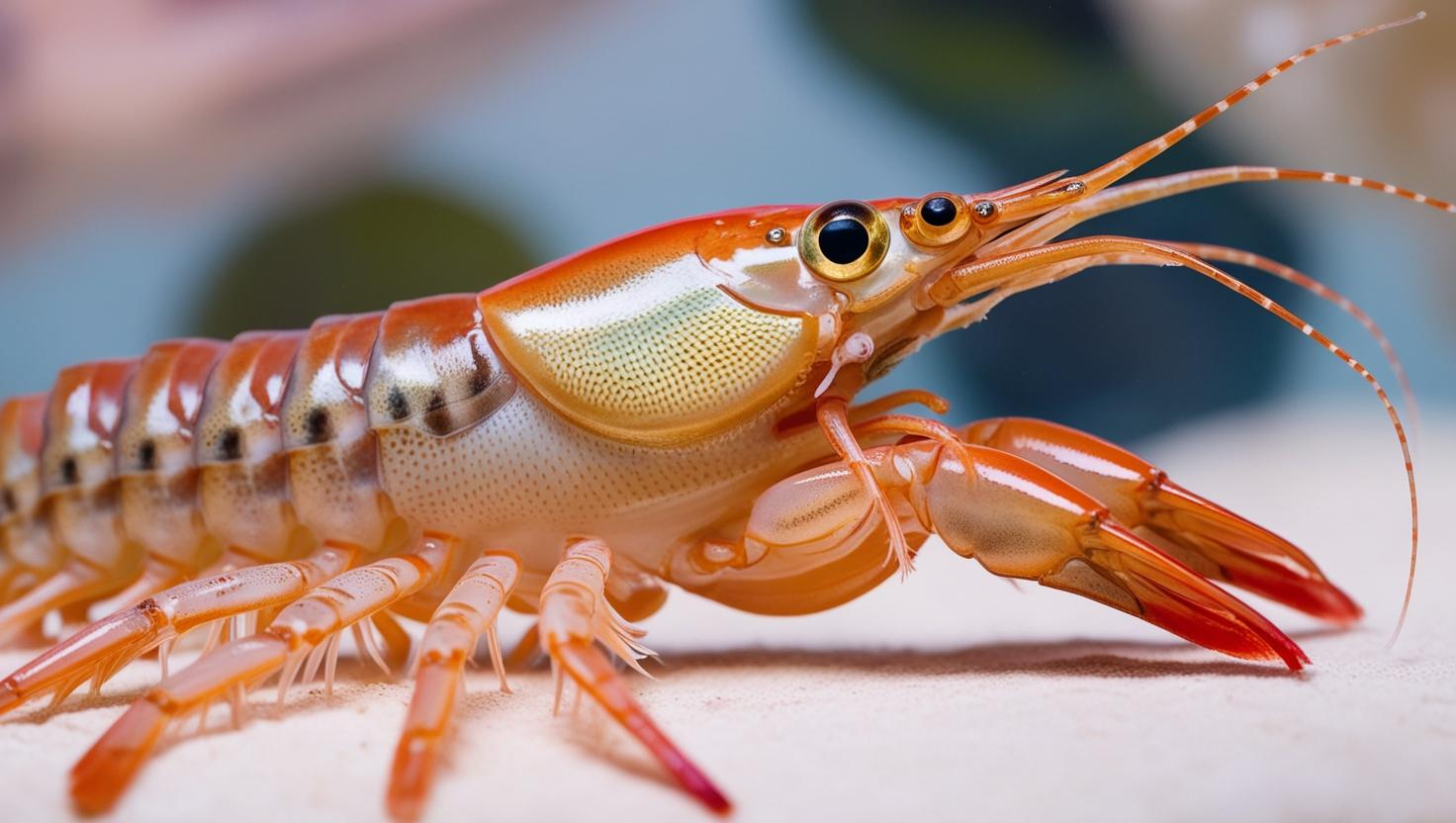
A Guide to Culture Fresh Water Prawn
Freshwater prawn cultivation, also known as freshwater shrimp farming, has emerged as a lucrative and sustainable aquaculture practice worldwide. With the increasing demand for seafood and the depletion of wild fish stocks, aquaculture has become a vital source of protein. Among the various species cultivated, the giant freshwater prawn (Macrobrachium rosenbergii) stands out due to its high market value, adaptability, and relatively low environmental impact. This article explores the features of freshwater prawn farming, its market potential, and the steps involved in successful cultivation.
Features of Freshwater Prawn Farming
Species Characteristics:
The giant freshwater prawn (Macrobrachium rosenbergii) is the most commonly farmed species. It is known for its large size, fast growth rate, and ability to thrive in freshwater environments. These prawns are omnivorous, feeding on both plant and animal matter, which makes them relatively easy to cultivate.
Adaptability:
Freshwater prawns can be cultivated in a variety of environments, including ponds, tanks, and rice fields. They are highly adaptable to different water conditions, although optimal growth is achieved in warm temperatures (25-31°C) and slightly alkaline water (pH 7-8.5).
Low Environmental Impact:
Compared to other forms of aquaculture, freshwater prawn farming has a lower environmental footprint. Prawns require less protein in their diet than fish, reducing the need for fishmeal. Additionally, integrated farming systems, such as prawn-rice farming, promote sustainable land and water use.
Economic Viability:
Freshwater prawn farming is a profitable venture due to the high market demand and premium prices for prawns. The initial investment is moderate, and the returns can be substantial, especially when combined with value-added products like processed prawn meat.
Varieties of Freshwater Prawns
Several species of freshwater prawns are cultivated worldwide, with varying growth rates, environmental requirements, and market demand. The most commonly farmed varieties include:
1. Giant Freshwater Prawn (Macrobrachium rosenbergii)
Native to South and Southeast Asia, it is the most widely farmed species.
Can grow up to 30 cm in length and weigh over 200 grams.
Requires warm water temperatures (26–30°C) and a well-managed environment.
2. Indian River Prawn (Macrobrachium malcolmsonii)
Found in India and neighboring countries.
Grows slightly smaller than M. rosenbergii but is well-adapted to Indian river systems.
3. Amazon River Prawn (Macrobrachium amazonicum)
Native to South America, mainly cultivated in Brazil.
Tolerant of a wide range of salinity levels.
Culture of macrobrachium rosenbergii
- It has high value in domestic and international markets
- Compatibility to grow with carp, tilapia and chanos in polyculture system.
- Fast growth rate
- It is a suitable species in rice cum fish culture.
- It can be cultured in earthen ponds, cemented cisterns, cages and pens.
- It is not affected by white spot syndrome.
- They can be cultured even in low-saline water.
- They can induce breed.
Grow-out technology
Initial nursery phage- 2 months
Grow out phage- 6 months
Steps involved in grow out phage
- Preparation of nursery and grow out ponds.
- Eradication of competitors and predators.
- Fertilisation of pond with organic and inorganic matter.
- Provision of hide out.
- Stocking ponds with juveniles
- Feeding
- Management of water quality
- Sampling of ponds for growth management
- Disease control.
- Harvesting
Pond preparation for grow out and nursery pond
- Repairing and strengthening of dykes
- Draining and drying till bottom cracks develops.
- Application of lime based on pH( for neutral and near neutral ph put 200kg/hac)
- Water should be let in to the pond using nylon net to prevent entry of eggs and larvae of predatory fishes.
- Fertilisation of pond with raw cow dung/poutry manure as per requirement (for medium nutrient contents of soil fertilisation may be applied @ 5 tons RCD, 200 kg 300k urea and 300 kg super phosphate/ha/crop).
- After one week of fertitsation raise the water level to 4 feet
- Transparency should be checked after 2-3 days with secchi disc.
- Stocking the nursery pond with post larna and grow out pond with juveniles.
- Grow out should have transparency during early morning 30-35 cm or late evening.
Nursery pond management
- Preferred stocking density in nursery pond is 20 Post Larvae/m.sq of size 8–10mg.
- They are fed with pellete diet with crumbled from @100% for first fortnight ( because growth rate is high and moulting) The composition of the diet should have:
- Feed is given twice daily in the morning and evening. Evening more feed because they are nocturnal).
- 10%. of the pond surface should be covered with dense root system such as Eichhornia to improve the survival rate of larvae. Cover should be kept in confined.
- Aeration is provided 8 hours/day.
- Observe the growth after fortnight.
- Maintain water quality and seepage loss. Nursery rearing for 45-60 days. Juveniles more than 1.0g are collected and transferred to grow out pond.
Grow out pond management
- Pond preparation as earlier.
- Stocking density of pond with juveniles @40000juveniles/hac
- Feed the juveniles with formulated diet of size 2-3 mm @10% of the initial initial biomasstowards the end of the culture period of 8 months.
- Check feed consumption.
- Water depth should be maintain at 4 feet.
- Partial harvesting may be resorted to remove the large size individual and improve growth and production.
Major problems encountered are
- Low oxygen level.
- Heavy planton bloom. Though these problem can be avoided through water exchange.
- Development of bottom algae due to high transparency. Remedies for this is to maintain the transparency at 30-40 cm by frequent fertilisation.
- Harvest and sell.
Products from Freshwater Prawns
Freshwater prawns are used in a variety of forms, offering multiple business opportunities for farmers:
1. Fresh and Frozen Prawns
Sold whole in domestic and export markets.
Can be frozen, processed, or stored for longer shelf life.
2. Prawn Meat and Value-Added Products
Processed into peeled and deveined prawn meat for convenience.
Used in prawn-based products like prawn pickles, dried prawns, and canned prawn dishes.
3. Prawn By-Products
Prawn shells and heads can be processed into prawn meal (used as animal feed or fertilizer).
Extracted for chitosan, a compound used in cosmetics, pharmaceuticals, and biodegradable plastics.
Market size of freshwater prawn

The global freshwater prawn market is experiencing steady growth, driven by increasing seafood demand and the decline of wild-caught prawns. The aquaculture industry, including freshwater prawns, is expected to reach USD 245 billion by 2027, with a 5.8% CAGR. Asia-Pacific leads global production, with India, Bangladesh, China, and Thailand as major producers, while North America and Europe remain key importers. Export opportunities are strong for processed prawn products like frozen prawns and prawn meat. Additionally, domestic markets in producing countries are expanding due to rising incomes, urbanization, and evolving dietary preferences.
At Agrigo24/7, we are dedicated to empowering your farming journey with expert guidance and innovative solutions. Whether overcoming challenges or seizing opportunities in freshwater prawn farming, we’re here to support you every step of the way. Let Agrigo24/7 be your trusted partner in cultivating success.
Leave a Reply