
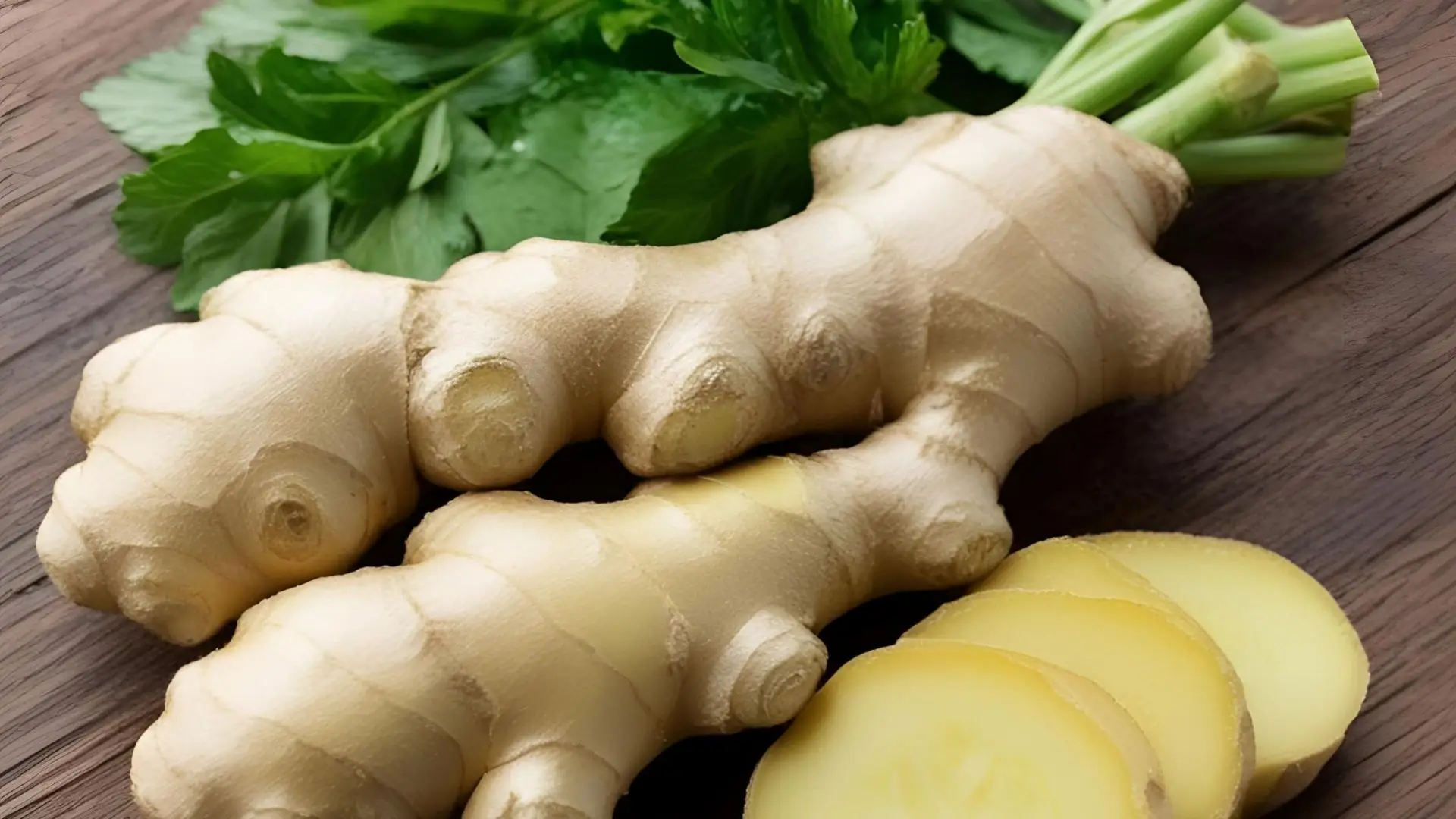
Picture yanking a knobby, golden ginger root from your own soil, its zesty kick hitting you like a high-five from nature. You’re grinning—this fiery gem’ll spice up supper and pad your pocket, maybe for a new pump or a cold one on market day. That’s the ginger life, and it’s yours, farmer! I’m here to guide you through every muddy step, share some hard-won tips, and root for you as we turn your patch into a ginger goldmine. Let’s dig in!
Ginger: The Root That Pays You Back
Ginger—Zingiber officinale—is that tough little root that’s been jazzing up teas, curries, and even your aunt’s fancy hand cream since way back when. It’s the spice everyone’s after—demand’s shooting up quicker than a weed in the rain, with India, Nigeria, and China piling it high. For you, it’s a crop that squeezes into tight spaces, thrives on your wet days, and puts money in your pocket faster than you can holler “zing!” Got a shady nook or a scrap of land? Ginger’s ready to turn it into something worth shouting about.
Finding Ginger’s Happy Place
The Climate Ginger Craves
Ginger’s a tropical brawler—it loves steamy days between 25°C and 30°C (77°F to 86°F) with rainfall stacking up to 1500–2500 mm a year. If your days drip with humidity and nights cool off just so, you’re in Ginger’s wheelhouse. Frost’s a no-go—like a busted plow on planting day—so keep it warm. A solid rainy stretch with a dry finish for harvest? That’s ginger’s sweet spot and your path to a grinning crop.
Soil That Holds Ginger Tight
Ginger’s all about loose, loamy dirt that’s rich and drains fast—aim for pH 5.5–6.5. If your patch has that dark, crumbly feel where worms hang out, you’re in business. Sandy loam or red soil’s fine too—just stir in some compost or that cow dung heap you’ve been sidestepping. Soggy roots are ginger’s enemy, so if your ground’s heavy, lift those beds up and let the water roll away.
Choosing Your Ginger Champs
You’re not sowing seeds here—ginger sprouts from rhizomes, those chunky bits you’ll break into pieces. Pick plump, glossy ones with “eyes” (buds) itching to grow. Local heroes like Rio de Janeiro or Maran hit hard and fit most soils. Swing by your market or lean on a neighbor who’s already at it—they’ll set you up with prime stock. Soak them overnight to kickstart the magic; your ginger’s raring to go!
Setting the Stage for Ginger Glory
Clear the weeds and junk—ginger doesn’t play nice with roommates. Till the soil 30 cm deep to fluff it up, then shape raised beds (20–30 cm high, 1m wide) so water slips off instead of pooling. Blend in 10–15 tons of compost or rotted manure per hectare—like seasoning a big ol’ pot of soup. Let it rest a week or two; it’s the land taking a breather before the main event.
Getting Ginger in the Ground
Hold off for the rains—April to May’s your shot—and start planting. Snap those rhizomes into 20–30g chunks, each with a bud or two. Bury them 5–10 cm deep, 20–25 cm apart in rows 30 cm wide. Water them lightly (2–3 liters per bed) to settle things in, then mulch with straw, leaves, or whatever dry scraps you’ve got. In a few weeks, green shoots will poke up like little victory flags—your ginger’s off and running!
Nurturing Your Ginger Patch
Keeping the Water Just Right
Ginger’s greedy for water early—keep the soil damp but not a swamp, about 20–25 liters per bed weekly if rain’s playing hard to get. After 3–4 months, ease back and let the clouds take over. A basic sprinkler or a poked-through bucket does the trick if you’re low on tools—keeps it steady without flooding them out.
Fueling the Fire
Feed them 75–100 kg N, 50 kg P, and 75 kg K per hectare—split it three ways at planting, 2 months, and 4 months. Or sling on 5–6 tons of organic manure plus a fistful of wood ash per bed. Strong roots mean bold flavor—your buyers will taste the kick when they dig in.
Mulching and Weed Patrol
Layer on more mulch once shoots show—keeps the soil cool and weeds in check. Pull invaders by hand every month; ginger’s shallow roots don’t like a crowd. It’s sweaty work, but it’s like clearing the floor for your star dancer.
Fending Off Ginger’s Foes
Ginger’s got enemies, but you’re the boss:
Root Borer: Grubs gnawing roots—dig them out and dust them with neem powder.
Leaf Roller: Folds leaves like a craft project—squash them or spray soapy water.
Rhizome Rot: Wet, stinky roots—drain better and hit it with copper fungicide.
Spot yellow leaves? Could be too much water or a crafty fungus. Roam your rows often; you’re the top dog, and pests scatter when you’re on watch.
Reaping Your Ginger Rewards
Wait 8–10 months—December to February’s your golden hour—when leaves are yellow and dry up. Dig them out with a fork or your trusty spade, gentle so you don’t nick the goods. Fresh ginger’s market-ready pronto, or dry it a few days for storage. One hectare can cough up 15–25 tons—stack that high, and you’re in clover!
Cashing In on Your Ginger Haul
Wash them clean, scrape the rough stuff off, and sort—big, firm roots pull top dollar. Bag them in jute sacks or baskets—keep air flowing to dodge mold. Sell fresh at the stall, dry them for traders, or grind some into powder for a side gig. Tell folks these came straight from your dirt—they’ll shell out more for that homegrown snap.
Clever Plays for Bigger Wins
Mixing It Up: Plant turmeric or beans early—double your take while ginger grows.
Switching It: Follow with legumes to perk up the soil—keep it ready for round two.
Hold Some Back: Save a few rhizomes for next time—save a market run later.
Gear That Gets It Done
Snag a digging fork (eases your spine), a sprayer for pests, and a bucket for watering. My mate loves his bamboo rake—yanks weeds without stirring roots. The basic kit turns tough days into smooth rides.
Tackling the Weather Wildcard
Rain’s your sidekick, but floods can sink you—raise those beds if your land’s low. Dry spell hits? Mulch thick and water steady; ginger’s a fighter, but it needs you when the chips are down. Trust your gut—if the air’s parched, your crop’s hollering for a splash.
The Raw Scoop: Living the Ginger Grind
Here’s the straight dirt, farmer to farmer. Ginger’s late nights fretting over rain, hands rough from digging, and that chest-thumping buzz when your buddy says, “That’s got some heat!” It’s the cash to mend the roof after a blow or treat your wife to that saree she’s been eyeing. My granddad grew ginger out back—started with a fistful of roots, ended with sacks to spare. Now his beat-up spade’s mine, and I’m handing you the same tricks.
Sure, you’ll hit days when borers creep in or a wet patch rots a row—you’ll swear and stomp the ground. But then you break a root, catch that fire in your nose, and it sinks in: this is yours. When you’re bartering at the market or watching your kids scamper around with full stomachs, you’ll get it—this is farming, rough and ready.
Ginger: Your Ticket to the Top
You’ve got this locked down. Ginger’s a scrappy grower that pays off—shade-friendly, soil-loving, and cash-bringing. Picture yourself down the line, slicing a root you raised, knowing you turned grit into gold. Grab that fork, mark your turf, and grow some spark. Your farm’s about to blaze—and that’s a triumph worth tasting!
References
https://www.fao.org/faostat/en/#data/QCL
http://dasd.gov.in/index.php/ginger.html
Connect with Us.
Every step, from planting to processing, shapes your success. With the right methods, your Ginger can thrive. At Agrigo24/7, we’re here to guide you with expert advice and innovative solutions. Let’s grow a prosperous future together.
Leave a Reply