
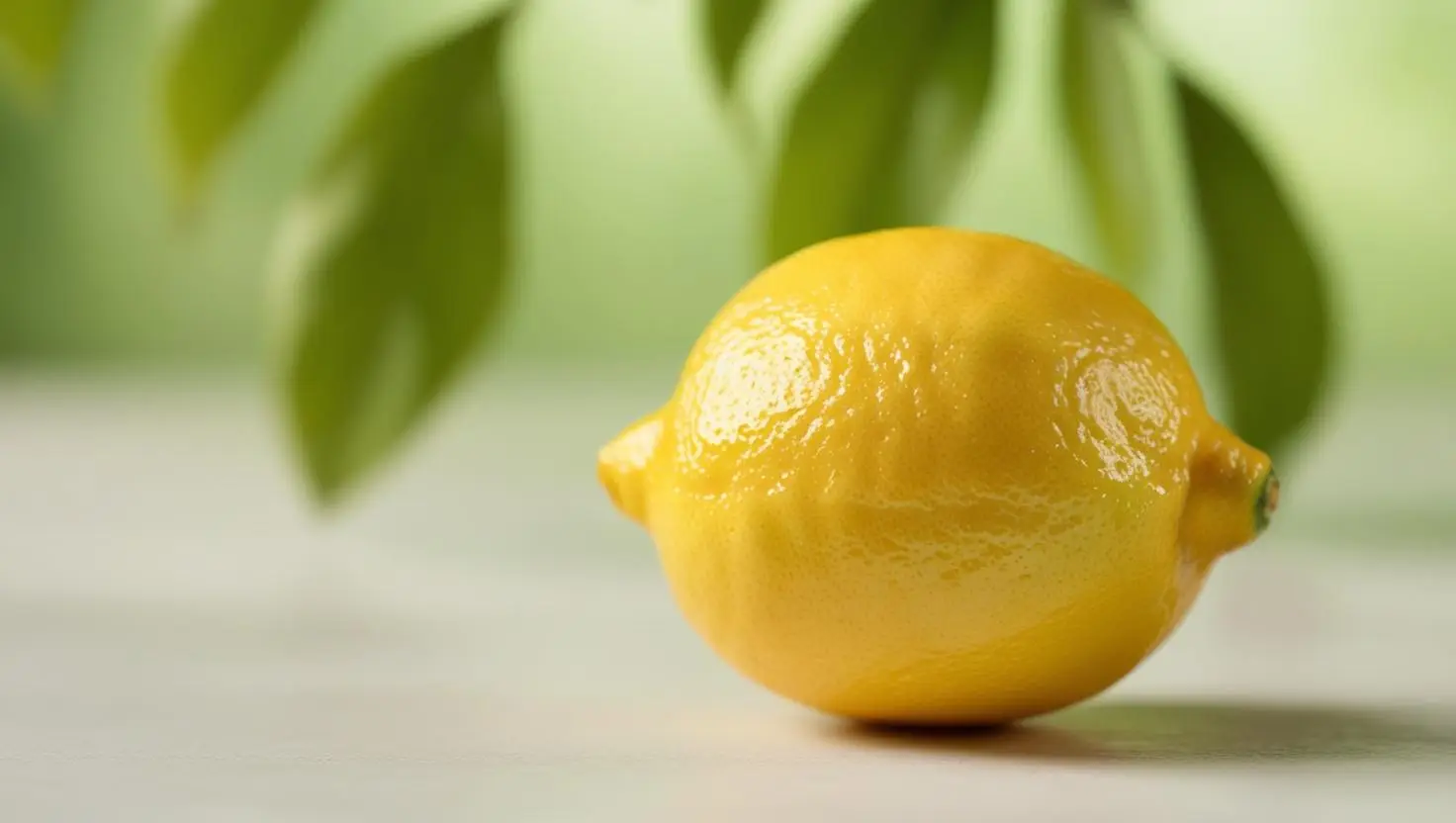
Introduction:
Hi there, India’s devoted farmers! Our intention is to provide you with information that can enhance your farming experience and increase crop yields while you work to care for the land. This manual explores deeply into the production of lemon, a priceless and in-demand horticultural crop recognized for its broad application and substantial health advantages. We’ll go over every facet of lemon farming in this article, from harvesting to seed selection, to make sure you achieve both agronomic success and competitive advantage.

A brief overview of lemon:
Lemon belongs to the citrus category. It is important among citrus fruits. It is called nimbu. The scientific name of lemon is Citrus limon. It belongs to the Rutaceae family. In India, lemon grows in various states. It is mainly grown in Andhra Pradesh, Gujarat, Maharashtra, Karnataka, and Madhya Pradesh. Lemon is rich in vitamin C. It is used for various purposes.
Lemon juice and pulp are used for consumption. It is also used in various beverages.
Why grow lemons?
Lemons are very beneficial to health. Here are some benefits:
- Immune system booster: Lemon is rich in vitamin C, which helps boost the immune system.
- Prevention of asthma: It has high amounts of vitamin C, which help prevent asthma.
- Iron absorption: This helps increase iron absorption in the body.
- weight loss promoter: It plays a major role in weight loss and is used in various foods.
- Antiviral and anti-inflammatory: It acts as an antiviral and anti-inflammatory agent.
- Constipation suppressor: Lemons improve digestion, thereby suppressing constipation.
Planting a lemon farm? Key steps.
For planting a lemon farm, these guidelines are to be observed:
Variety selection:
The popular varieties of lemon are vikram, rasraj, Mausambi, Pat Nebu, Rough Lemon, Lisbon, and Eureka.
Soil preparation:
Lemons can be cultivated in all types of soils, but the best soils suitable for growing are light loamy and well-drained soils. The soil pH of 5.5-7.5 should be maintained for good growth.
Planting time:
The land should be prepared for planting by ploughing the field thoroughly. The best time for planting lemons is spring and early autumn, specifically in the months of July to August. Lemons are propagated using seeds, budding, and air layering.
Seed depth and spacing:
Propagated seeds are used for sowing purposes. The seeds should be kept at a depth of 60x60x60 cm. The spacing should be 4.5×4.5m.
Perfect time for growing lemons:
The perfect time for growing lemons is July to August. They take 6 months for the crop to mature.
Nutrient management:
Proper nutrition is needed for proper growth and better yield. Better nutrition is obtained by
supplying N, P, K.
- Nitrogen: Nitrogen requirement in the first year is 200g per tree, with an annual increase of 100g. By the end of the 6th year, 600g/tree is required.
- Phosphorus: Phosphorus requirement in the first year is 100g per tree, with an annual increase of 25g. By the end of the 6th year, 200g/tree is required.
- Potassium: Potassium requirement in the first year is 100g per tree, with an annual increase of 4g. By the end of the 6th year, 300g/tree is required.
Apply these tips and watch your lemons reach full potential.
Did you know?
Lemon juice is a natural cleaner and stain remover. Lemon oil provides the
fragrance for perfumes, soaps, and skin creams. Lemon is a rich source of vitamin C, dietary fiber, citric acid, and iron.
Irrigation insights:
Water requirement:
Generally, this crop requires a high amount of water. In the first 6 months of growth, irrigation should be provided twice a week. After that, irrigation should be given weekly. Drip irrigation is the best method of irrigation for lemon plants as it provides a uniform supply of water. Additionally, drip irrigation decreases the risk of diseases caused by overwatering or uneven soil moisture levels due to its regular and targeted hydration.
Weed management:
Weeds are very problematic for lemon crops. They need to be controlled to increase crop productivity. Weeds should be managed in the nursery stage and in the main field. Weeding should be done to prevent weed growth, typically performed by hand. Hand hoeing should be done to prevent weeds, and spraying glyphosate at a rate of 1.6 liters per 150 liters of water is necessary for weed suppression. Intercropping practices should be implemented to prevent weeds.
Pest and disease control:
Pests and diseases have to be controlled for good production. Here are some major
pests and diseases affecting lemon crop.
- Common pests: The common pests of lemon are citrus leaf miner, thrips, mealy bugs, aphids, citrus red mites, psylla and lemon butterfly.
- Control: These are controlled by spraying malathion 0.05%, dimethoate 30EC.
- Common diseases: The common diseases of lemon are citrus canker, citrus scab, root rot, tristeza, citrus nematode and citrus greening.
- Control: The diseases are controlled by spraying wettable sulfur spray (0.2%).
IPM practices of lemon:
- Neem oil should be used for heavy infestation.
- The damaged plant parts are to be collected and destroyed.
- Sticky traps have to be used.
- Soil must be treated with chlorpyrifos.
- Larvae have to be picked and destroyed.
Harvesting:
Reap the rewards by harvesting your lemons. The trees are ready to harvest after 6 months of flowering. The lemons have to attain
green color, which is the maturity index. They have to be picked at the correct time, neither early nor late. The harvesting has to be done by hands.
Post harvest:
After harvesting, the lemons are to be sorted based on size and shape. This is very important for proper yield. Packaging should be done properly to increase shelf life. The lemons should be removed from dirt and impurities and stored in a ventilated place to prevent moisture.
Storage:
Lemons should be stored well for fresh and longer use. The lemons are stored in the refrigerator, which helps them remain fresh for a longer period. They should not be kept with other fruits; they must be stored separately.
Yield:
Good production helps in good yield. The yield of the crop is 25 tons/hectare.
Tools used in lemon crop:
There are several tools used in harvesting: hookers, drippers, sprayers, pruners.
- Hookers are used for picking lemons at the time of harvest.
- Drippers are used in providing irrigation to the crop.
- Sprayers are used to spray chemicals and fertilizers on the crop.
- Pruners are used in cutting and shaping the trees.
Conclusion:
Remember that every stage in the process of growing lemons adds to a successful and sustainable farming method as we wrap up our instruction on the subject. Agrigo247 is dedicated to providing you with professional guidance and cutting-edge solutions to help you in your farming journey. We are here to help you take advantage of the potential and overcome the difficulties in lemon farming. Allow Agrigo247 to be your agricultural success partner.
Leave a Reply