
Introduction
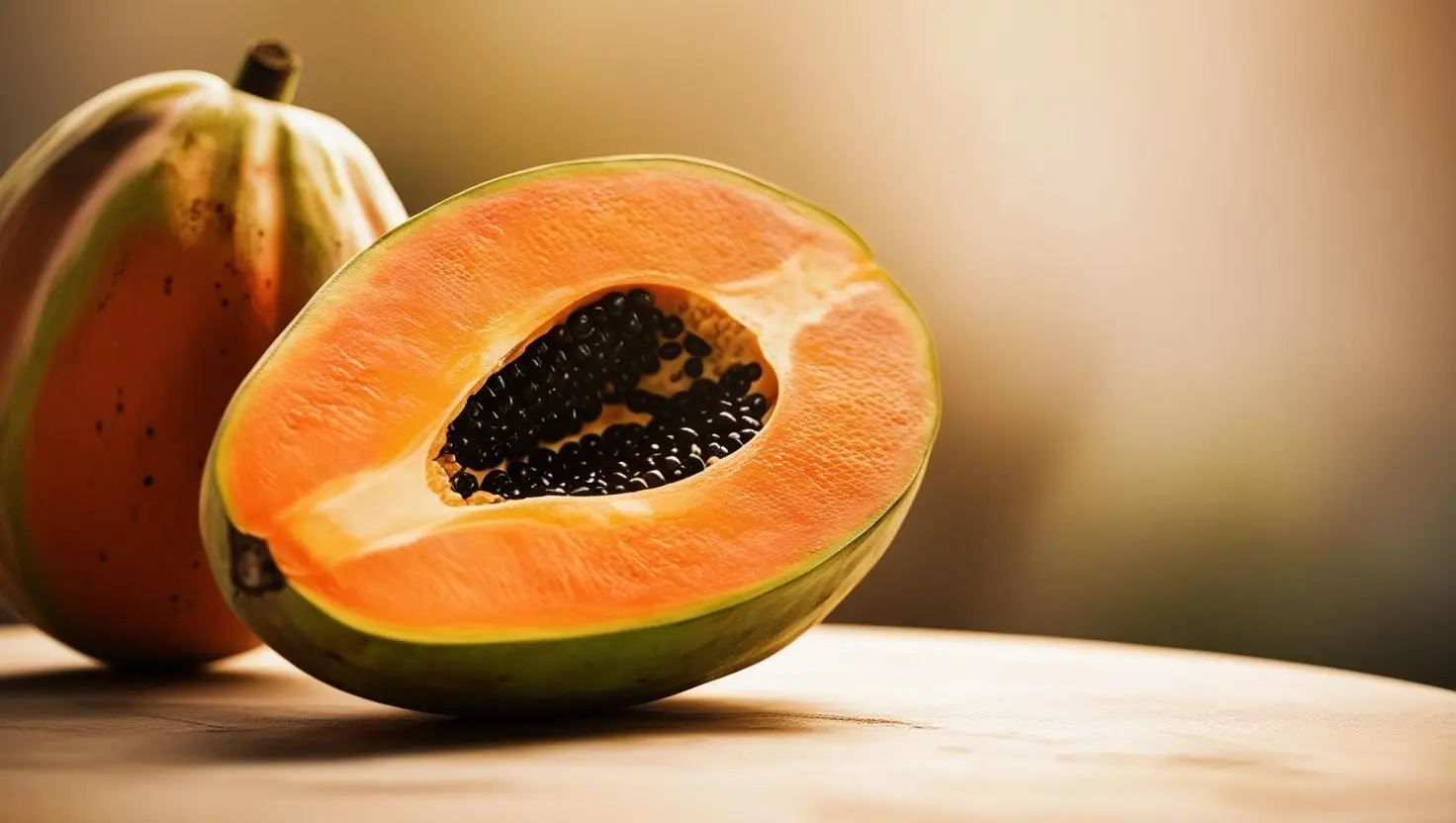
Papaya (Carica papaya), commonly referred to as paw paw or papeeta, is a tropical fruit widely appreciated for its rich flavour and high nutritional value. Originating from southern Mexico, Central America, and northern South America, papaya has since spread to many tropical and subtropical regions across the world, becoming a staple fruit in several countries. In India, papaya is cultivated in states such as Odisha, West Bengal, Kerala, Karnataka, Madhya Pradesh, Tamil Nadu, and Gujarat. Goa, with its warm climate, is also becoming a potential region for commercial papaya cultivation, especially with the increasing interest of local farmers in varieties like Red Lady and RCTP-1.
Papaya is highly sensitive to frost and waterlogging, making it a crop best suited to warm and well-drained environments. The fruit grows quickly and can start producing within 6-9 months of planting, making it an attractive option for farmers looking for quick returns. However, successful cultivation requires a detailed understanding of land preparation, nutrient management, pest control, and disease prevention.

Land Preparation
Preparing the land properly is crucial for papaya cultivation to ensure that plants grow strong and healthy. The field should be ploughed thoroughly to aerate the soil and break up any clods. This process also helps control weeds and improves water penetration.
After ploughing, pits measuring 60 cubic centimetres should be dug for planting. These pits should be allowed to weather for a few days to reduce the risk of pest infestations and soil-borne diseases. Once weathered, the pits are filled with a mixture of topsoil, farmyard manure (FYM), and other essential nutrients. Each pit should be filled with:
- 10 kg FYM,
- 1 kg neem cake,
- 5 kg rock phosphate,
- 1.5 kg muriate of potash (MOP), and
- 20-25 g of Trichoderma (a beneficial fungus that controls harmful pathogens).
Sowing and Nursery Management
Papaya is usually propagated through seeds, making seed treatment an essential aspect of successful cultivation. Seeds should be treated with plant growth-promoting rhizobacteria (PGPR) to boost germination rates and enhance disease resistance. The recommended seed rate is approximately 500 grams per hectare.
For raising seedlings, nursery bags are filled with a mixture of garden soil, FYM, and sand in equal proportions (1:1:1). The addition of Trichoderma at 2-3 grams per bag is beneficial, as it protects against fungal diseases that can affect the seedlings.
Depending on the variety, the number of seeds sown per bag varies:
- For dioecious varieties, 3-4 seeds should be sown per bag.
- For gynodioecious varieties, 2-3 seeds per bag are sufficient.
Regular watering is essential to ensure the seeds germinate and grow into strong, healthy seedlings. Seedlings are typically ready for transplantation when they are 35-40 days old and have developed 5-6 leaves.
Planting and Spacing
Proper spacing during planting is key to achieving optimum growth and fruit production. The following spacing recommendations are based on the variety of papaya being grown:
- Normal spacing: 1.8 x 1.8 meters
- High-density planting: 1.3 x 1.3 meters (suitable for areas with limited land but a focus on maximizing output)
- Dwarf varieties: 1.2 x 1.2 meters
Once the seedlings are transplanted into the prepared pits, they should be staked using bamboo poles to prevent lodging (the bending or breaking of plants). Mulching the basin around each plant with coconut leaves or other organic materials is a good practice to conserve moisture, suppress weeds, and regulate soil temperature.
Varieties of Papaya
The choice of variety is important in determining the success of a papaya crop. Several varieties have been developed to suit different climatic conditions and market needs. Some of the most popular varieties include:
- Co-1 to Co-8: These varieties are known for their good yield and disease resistance.
- Pusa Series (Majesty, Delicious, Nanha, Dwarf, Giant): These are widely cultivated in India and are known for their productivity and taste.
- Surya, Arka Prabhat, Coorg Honey Dew: These are preferred for their sweetness and longer shelf life.
- Washington, Solo, Ranchi: These varieties are popular for export due to their superior quality and uniformity of fruits.
- Red Lady, RCTP-1: These are known to perform particularly well in Goa and are favoured by local farmers for their high yield and resilience.
Nutrient Management
A well-managed nutrient program is essential to ensure healthy growth and maximize yield. Papaya is a heavy feeder, requiring regular doses of fertilizers, both organic and inorganic. The fertilization schedule should be followed meticulously for optimum results.
- One month after planting: Apply 5 kg of 19:19:19 NPK fertilizer and 2.5 kg urea per hectare through drip fertigation. This process should be repeated after 15 days.
- Two months after planting: Form a basin around each plant and apply 250 kg of DAP, 500 kg neem cake, and 188 kg of urea per hectare.
- Three months after planting: Add 250 kg DAP, 500 kg neem cake, 750 kg MOP, and 25 kg of a micronutrient mixture per hectare to the soil.
- From the 4th to the 6th month: Drip fertigation should be carried out with the following nutrients:
- Start the 4th month with 30 kg of 12:61:0 fertilizer per hectare.
- After 15 days, apply 30 kg of 0:0:50 fertilizer.
- Another 15 days later, apply 30 kg of 13:0:45 fertilizer.
- In the 6th month, apply 30 kg of 0:0:50 fertilizer.
- Continue this rotation until the 7th month, when 250 kg DAP, 188 kg MOP, 25 kg micronutrients, and 37.5 kg sulfur per hectare should be added.
Foliar Spray: A foliar spray of zinc sulfate (0.5%), ferrous sulfate (0.2%), copper sulfate (0.2%), and borax (0.1%) is recommended at the 3rd, 5th, and 7th months to correct any micronutrient deficiencies.
Water Management
Papaya requires consistent and adequate watering, especially in the early stages of growth. Drip irrigation is recommended for its efficiency in water use. A typical irrigation schedule for papaya is:
- May: Water for 2 hours every day using a drip system.
- June to October: The monsoon period typically provides sufficient rain, so irrigation can be reduced.
- November to March: Irrigate once every 4 days for 2 hours.
- April: Increase irrigation to every 2 days for 3 hours.
Avoid waterlogging at all costs, as it can lead to root rot and other fungal diseases. Ensuring proper drainage is equally important to avoid the accumulation of excess water.
Weed Management
Weeds compete with papaya plants for nutrients, water, and sunlight, making it essential to keep the field clean. Regular weeding should be done as needed, especially during the early stages of growth. Mulching with organic materials like coconut leaves, rice straw, or black polythene can help suppress weed growth while conserving soil moisture.
Intercultural Operations
For dioecious papaya varieties, where male and female plants grow separately, sex determination is critical. Male plants are essential for pollination, but only a few are needed—typically one male plant for every 10-12 female plants. The male plants can be identified by their long, pendulous flower stalks, which appear earlier than the female flowers. Excess male plants should be removed to allow more space and nutrients for fruit-bearing female plants.
In gynodioecious varieties, where both female and hermaphrodite plants are present, one plant should be maintained per pit to ensure adequate fruiting.
Insect Pest Management
The primary insect pest that affects papaya is the Mealy Bug, which feeds on the plant’s sap, leading to stunted growth and reduced fruit quality. Neem-based insecticides are effective in controlling these pests. Regular monitoring and early detection can prevent severe infestations.
Disease Management
- Stem Rot/Foot Rot (Pythium aphanidermatum): This fungal disease causes water-soaked patches at the base of the stem, leading to rotting and eventual plant death. It is managed by uprooting infected plants, applying Trichoderma at planting, and drenching the soil with copper oxychloride or Bordeaux mixture.
- Papaya Ring Spot Virus (PRSV): This viral disease, transmitted by aphids, causes vein clearing, leaf distortion, and characteristic ring spots on fruits. Control measures include raising nurseries under insect-proof nets, removing infected plants and planting barrier crops such as maize or sorghum around the papaya fields to reduce the spread of aphids. Additionally, avoiding the cultivation of cucurbits (another host for PRSV) near papaya orchards is advisable. For aphid control, farmers can apply carbofuran (1 kg active ingredient per hectare) to nursery beds at the time of sowing. Foliar sprays of phosphamidon (0.05%) can be applied every 10 days, starting 15-20 days after sowing to prevent aphid infestations.
- Damping-Off: This disease typically affects seedlings in nurseries. Caused by soil-borne fungi, it leads to seedling collapse due to root and stem rot. Preventative measures include using well-drained, pathogen-free nursery soil, treating the soil with Trichoderma, and ensuring proper air circulation around the seedlings. Waterlogging should be avoided, as excessive moisture encourages fungal growth.
- Anthracnose: A fungal disease that primarily affects the fruits, causing black, sunken lesions that can lead to fruit rot. Regular fungicide sprays with copper-based solutions help in controlling this disease. Post-harvest, anthracnose can be managed by keeping fruits dry and storing them at cool temperatures to prevent further spread.
Harvesting
Papaya trees can start producing fruit 6-9 months after planting, and under optimal conditions, each tree can yield up to 100 fruits per year. The size and weight of the fruit depend on the variety, with some varieties producing fruits weighing between 1-3 kilograms. Papaya fruits are ready to be harvested when they start to change colour from green to yellow. It’s important to pick the fruits when they are only partially yellow to avoid bruising and damage during handling.
Once harvested, papaya should be handled with care, as the fruits are sensitive to bruising and can easily be damaged during transport. Post-harvest, the fruits should be stored in a cool, dry place to extend their shelf life.
After about 2½ years, papaya plants typically start to decline in productivity. At this point, it is recommended to uproot the old plants and plant a new crop. Farmers can also grow a different crop in the field for a season before replanting papaya to prevent soil exhaustion and reduce disease risks.
Conclusion
Papaya cultivation offers a lucrative opportunity for farmers in tropical and subtropical regions, thanks to its high yield potential, rapid growth, and the increasing demand for its nutritious fruit. However, like any crop, papaya requires careful management and attention to detail in terms of land preparation, pest control, disease management, and nutrient application.
Wishing you a bountiful and prosperous Papaya harvest! For further assistance or any queries, please feel free to reach out to your local agricultural experts @ Agrigo 24/7
Leave a Reply