
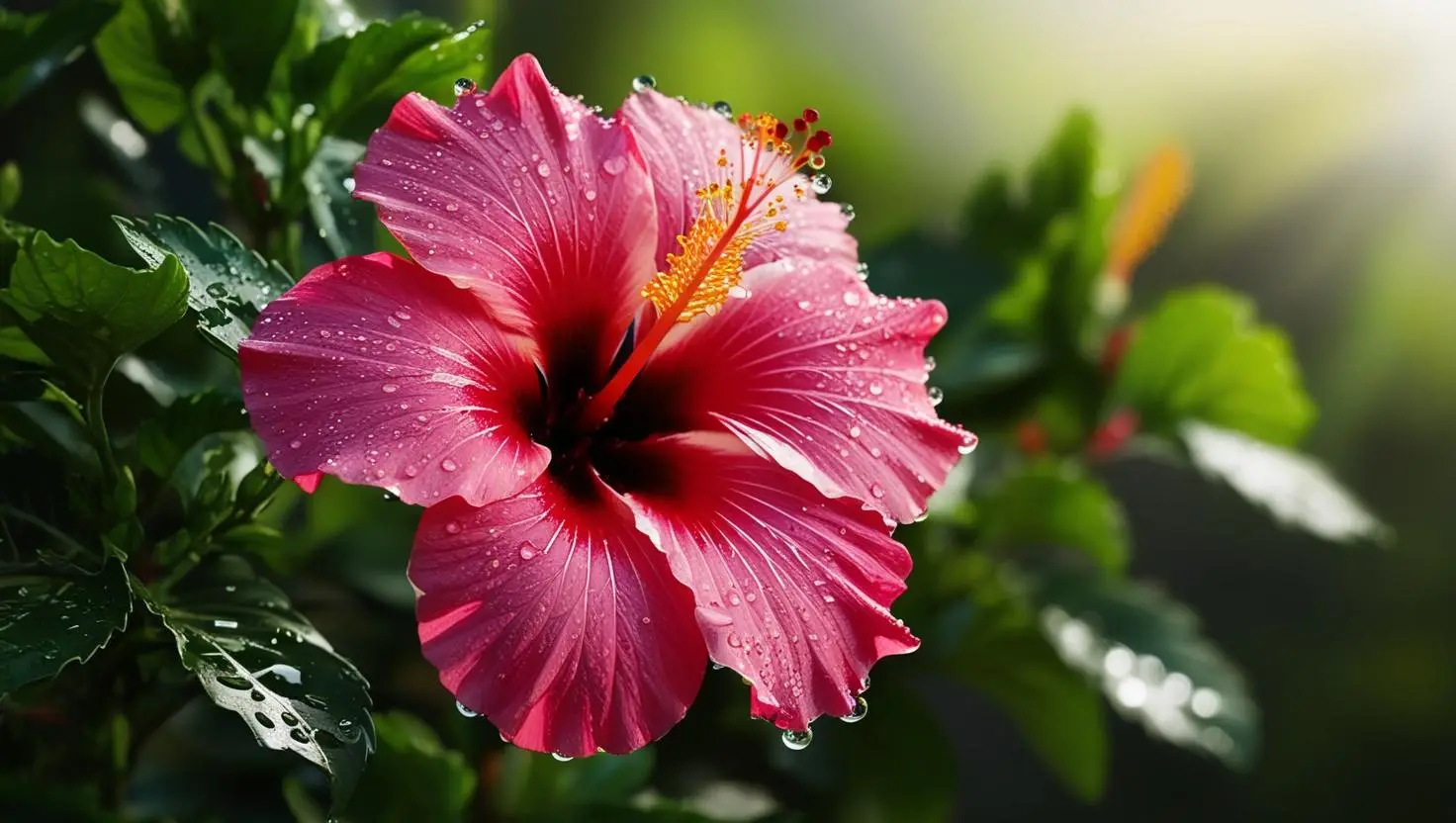
Hibiscus, a genus belonging to the Malvaceae family, encompasses a wide range of species known for their vibrant flowers and versatile uses. The species Hibiscus sabdariffa, commonly known as Roselle, is one of the most cultivated varieties, primarily for its edible calyxes and medicinal properties. Hibiscus is widely grown in tropical and subtropical regions around the world, including countries like Egypt, Sudan, Mexico, Thailand, and China. This guide will cover the botany, varieties, medicinal properties, and detailed cultivation practices for hibiscus.

Aesthetic Beauty of Hibiscus
Hibiscus plants are renowned for their captivating aesthetic qualities, making them a popular choice for gardens, landscapes, and floral arrangements. Their vibrant colors, including pink, orange, yellow, red, purple, and white, along with their large, showy blooms, delicate, ruffled petals, and unique, exotic shapes, create a visually stunning display. Hibiscus plants also offer a fragrant experience, attracting wildlife such as hummingbirds and butterflies. Their versatility allows them to fit into various landscape settings, from tropical to formal gardens. Beyond their aesthetic appeal, hibiscus flowers hold symbolic meanings in different cultures, representing love, beauty, and tropical paradise. Overall, hibiscus plants offer a unique combination of color, texture, and beauty, making them a valuable addition to any landscape or floral arrangement.
Characteristics
Hibiscus plants typically grow as shrubs or small trees, with the species Hibiscus sabdariffa often cultivated as an annual or biennial plant. The plant grows in a bush form, with branches pointing upwards and smaller twigs emerging from the main stems. Depending on the cultivation conditions, hibiscus plants can reach heights between 1 to 3 meters. The flowers are usually large, colorful, and conspicuous, attracting pollinators like bees and butterflies.
Varieties and Countries of Origin
There are numerous varieties of hibiscus, each with distinct characteristics and uses:
Hibiscus rosa-sinensis: Hibiscus rosa-Sinensis is a popular hibiscus species that’s the national flower of both Malaysia and South Korea. It’s also called the shoe black plant because of its use in shoe polishing. While it’s typically known for its red flowers, it also comes in yellow, pink, and orange varieties.
Hibiscus sabdariffa var. sabdariffa: Cultivated for its calyxes, which are used in making tea, jams, and herbal remedies.
Hibiscus cannabinus: Known as Kenaf, it is cultivated primarily for its fibers, which are used in making ropes, textiles, and paper.
Hibiscus esculentus: Commonly known as Okra or ladyfinger, this variety is grown as a vegetable.
The primary producers of hibiscus blossoms are Egypt, Sudan, Mexico, Thailand, and China. Organic hibiscus cultivation is practiced in Egypt, Tanzania, Mexico, and Bolivia.
Medicinal Properties of Hibiscus
Hibiscus has a rich history of medicinal use, particularly in traditional medicine systems across Africa, Asia, and the Caribbean. The calyxes of Hibiscus sabdariffa are especially valued for their health benefits. They are rich in anthocyanins, flavonoids, and organic acids, which contribute to their antioxidant, anti-inflammatory, and diuretic properties.
- Antioxidant Properties: Hibiscus is rich in antioxidants, particularly anthocyanins, which help combat oxidative stress and reduce the risk of chronic diseases like heart disease and cancer.
- Blood Pressure Management: Hibiscus tea is widely recognized for its ability to lower blood pressure. Studies have shown that regular consumption of hibiscus tea can significantly reduce systolic and diastolic blood pressure.
- Liver Health: The antioxidants in hibiscus also support liver health by protecting the liver from damage caused by free radicals.
- Weight Management: Hibiscus tea has been found to aid in weight loss by reducing fat accumulation and improving metabolism.
- Antibacterial and Antiviral Properties: Hibiscus extracts have been shown to have antibacterial and antiviral properties, making them useful in treating infections.
Cultivation of Hibiscus
Cultivating hibiscus requires a good understanding of its site requirements, propagation methods, and maintenance practices.
Site Requirements
Hibiscus prefers warm climates with an optimum temperature of 25°C and a rainfall of 400-500 mm distributed over a 4-5 month vegetation period. The plant is sensitive to photoperiod, requiring around 12 hours of darkness for flowering. As a result, hibiscus cultivation is limited to regions below 25° latitude.
Hibiscus thrives in heavy soils but is intolerant of stagnant water. Proper drainage is essential to prevent root rot and other water-related issues. In Africa, hibiscus is typically grown as an annual crop, but in regions like Bolivia, it has been successfully cultivated as a biennial crop by cutting back the foliage.
Propagation and Sowing
Hibiscus can be propagated from seeds or cuttings. The most common method is direct sowing of seeds, but seed beds and cuttings can also be used.
- Seeds: Hibiscus seeds have a germination rate of over 90% after one year of storage. For 1 hectare of land, approximately 2000 g of seeds are required. The seeds do not require any pre-treatment before sowing.
- Direct Sowing: For direct sowing, 3-5 seeds are sown per hole, with germination beginning within 2-3 days. The spacing between plants depends on the variety, soil fertility, and climatic conditions. A spacing of 1 x 1 meter is generally recommended, but closer spacing may be used during the early stages to protect the soil from weeds. However, thinning will be necessary as the plants grow.
- Seed Beds: Seed beds are recommended when seeds are scarce or when hibiscus is to be combined with other crops. Transplanting should be done before the plants exceed 20 cm in height to avoid a decrease in yield.
Nutrient Management and Fertilization
Hibiscus plants require a well-balanced nutrient supply, particularly during the flowering and fruiting stages. However, when grown organically, most of the organic material remains within the system, enriching the soil with biomass. The integration of legumes in the crop rotation is recommended to enhance soil fertility.
In traditional systems, hibiscus is often grown on poorer soils, each year on a different plot, following crops like rice, maize, sorghum, beans, or peanuts. Green manuring and the use of organic fertilizers like compost or well-rotted manure can help maintain soil fertility and promote healthy plant growth.
Plant Protection and Pest Management
Hibiscus is susceptible to several diseases and pests, most notably nematodes and fungal infections like root rot and stem rot. The following are some common issues and their management:
- Diseases: The most significant diseases affecting hibiscus include root rot, caused by fungi like Phytophthora parasitica and Rhizoctonia solani. Proper site selection, crop rotation, and soil management are essential to prevent these diseases. If heavy rainfall occurs during flowering, the petals may rot on the plant, affecting the calyxes. In such cases, the petals should be removed manually.
- Pests: Nematodes are the most common pests affecting hibiscus. They can be managed by implementing a suitable crop rotation system and avoiding the simultaneous cultivation of hibiscus with other Malvaceae crops like cotton. In some regions, beetles that wander onto the hibiscus plot can cause significant damage. Planting a border of Okra around the hibiscus field can help protect the crop.
Crop Monitoring and Maintenance
Regular monitoring and maintenance are crucial for a successful hibiscus crop. Weed management, in particular, is essential during the early stages of growth, as hibiscus plants develop slowly. Depending on the site conditions and cultivation system, weeding may be necessary once or twice before the crop is fully grown.
Harvesting and Post-Harvest Treatment
Harvesting of hibiscus calyxes begins when they reach their optimum size, typically 15-20 days after flowering. The calyxes are separated from the seed capsules manually, either by hand or with a knife. After harvesting, the calyxes must be dried as quickly as possible to prevent mold growth. In regions where rain is common during the harvest period, solar dryers or other suitable drying methods should be employed.
The dried calyxes should be stored in a dry, dark, and well-ventilated area. Proper packaging is essential to protect the hibiscus from moisture, pests, and contamination during storage and transportation.
Product Specifications
Dried hibiscus blossoms are the main product derived from Hibiscus sabdariffa. The following are some of the key quality requirements for dried hibiscus:
- Dry Weight: Minimum 90.0%
- Water Content: Maximum 12.0%
- Total Ash: Maximum 11.0%
- Acid Content: Minimum 13.5% (calculated as citric acid) for medicinal use
- Microbial Contamination: Limits on bacteria, yeasts, molds, and other microorganisms
To ensure that the dried hibiscus meets these standards, all processing and packaging should be carried out under hygienic conditions. Equipment, storage areas, and personnel should be regularly cleaned and maintained to prevent contamination.
Packaging and Storage
For export, dried hibiscus blossoms are typically packed in consumer packs or bulk containers made of materials impervious to moisture, such as polyethylene or polypropylene. Before sealing, nitrogen flushing may be used to preserve the quality of the product. Consumer packs should protect the hibiscus from moisture, light, and physical damage while also providing a surface area for advertising and product information.
Transport packaging must be strong enough to protect the contents from damage during transit. It should be designed to fit standard pallet and container dimensions and should display details such as the manufacturer’s name, product description, batch number, and destination.
Reference articles
https://www.floweraura.com/blog/get-to-know-more-about-beauty-fame-hibiscus
http://ecoursesonline.iasri.res.in/mod/page/view.php?id=109013
Connect with Us.
Wishing you a bountiful and prosperous Hibiscus harvest! For further assistance or any queries E-mail us, please feel free to reach out to your local agricultural experts @ Agrigo 24/7
Leave a Reply