
To the farmers ,
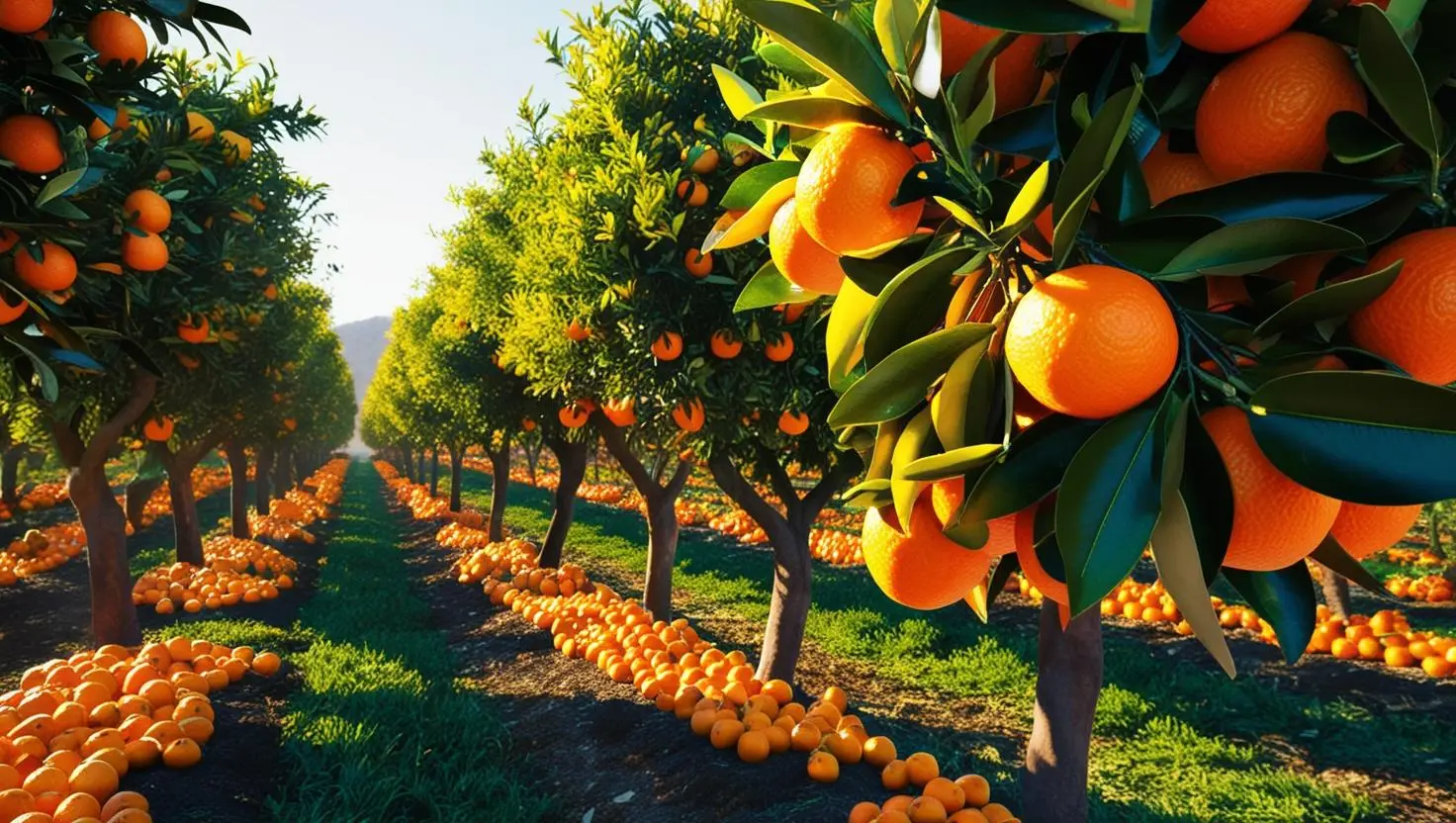
The orange plantation is a promising agricultural venture that offers substantial economic benefits. With the right knowledge and techniques, cultivating oranges can lead to bountiful harvests and profitable returns. This article explores the essential aspects of orange plantation, providing detailed information on varieties, soil and climate requirements, planting techniques, and more.

Varieties
Oranges are cultivated in various regions, each favouring specific varieties suited to local conditions. The commercially significant varieties include:
- Mosambi (Maharashtra)
- Sathgudi (Andhra Pradesh)
- Batavian (Bathayi) (Andhra Pradesh)
- Malta and Jaffa (Punjab)
These varieties are chosen for their adaptability to local climates and soil conditions, ensuring optimal yield and quality. Each variety has unique characteristics in terms of sweetness, juiciness, and resistance to diseases, making it crucial to select the right variety for your specific region.
Soil and Climate
Successful orange cultivation requires well-drained loamy soils with a pH range of 6.5 to 7.5. The soil should not be prone to waterlogging, as oranges are sensitive to such conditions. Ideal climate conditions include:
- Rainfall: 5075 cm annually, typically from June to September.
- Temperature: 25°C is ideal, with tolerance to extremes necessary for higher yields.
- Elevation: Can be grown up to 900 m above mean sea level
A dry climate with well-defined summer and winter seasons is beneficial. The extremes in temperature are necessary for achieving higher yield, with orange trees thriving in both hot and cool environments, provided there is no frost.
Season
The optimal planting season for sweet oranges is from July to September. This timing ensures the young plants establish well before the onset of winter. In regions with specific climate conditions, the planting season might vary slightly to accommodate local weather patterns.
Planting Material
Budded plants, particularly those grafted onto Rangpur lime or rough lemon rootstocks, are recommended. These rootstocks provide vigour and disease resistance, ensuring healthy growth and productivity. It is essential to source planting material from certified nurseries to avoid the risk of introducing diseases into the orchard.
Planting Density
Planting density is crucial for maximising yield. Recommended spacing is 5 m x 5 m or 5.5 m x 5.5 m, accommodating 3,30,400 plants per hectare.
Proper spacing ensures that each tree has enough room to grow, access sunlight, and receive adequate nutrients without competing with neighbouring plants. Overcrowding can lead to increased disease incidence and reduced fruit quality.
Preparation of Field
Field preparation involves several key steps:
- Digging Pits: Pits of 1-metre cubes are dug in a square system at the prescribed spacing.
- Soil Amendment: Pits are filled with a mixture of topsoil, 1520 kg farmyard manure (FYM), and 500 g superphosphate.
Additionally, the field should be thoroughly ploughed and levelled to remove weeds and ensure proper drainage. Incorporating organic matter into the soil improves fertility and structure, promoting healthy root development.
Irrigation
Immediate irrigation after planting is essential, followed by regular watering every 10 days. During the monsoon and cyclone periods, water stagnation near the plants should be avoided to prevent root diseases. Drip irrigation is highly recommended as it provides consistent moisture levels, reduces water wastage, and minimises the risk of fungal diseases.
Manures and Fertilizers Per Plant
A balanced fertilisation schedule is crucial for healthy growth and fruit production:
- First Year: FYM 10 kg, Nitrogen 0.2 kg, Phosphorus 0.1 kg, Potassium 0.1 kg.
- Annual Increase: FYM 5 kg, Nitrogen 0.1 kg, Phosphorus 0.025 kg, Potassium 0.04 kg.
- From Sixth Year: FYM 30 kg, Nitrogen 0.6 kg, Phosphorus 0.2 kg, Potassium 0.3 kg.
Additionally, foliar sprays with micronutrients like zinc, manganese, iron, magnesium, boron, and molybdenum enhance plant health. Fertilizers should be applied in a circular band at a radial distance of 120 cm from the tree trunk to avoid root damage and ensure efficient nutrient uptake.
Plant Protection
Effective plant protection involves controlling pests and diseases:
- Leaf Miner: Spray azadirachtin (1%) or a combination of thiamethoxam and dichlorovos.
- Citrus Root Nematode: Apply Pseudomonas fluorescens and neem cake to control nematode populations.
Regular monitoring and integrated pest management (IPM) practices are essential to keep pest and disease levels under control. Cultural practices, biological controls, and chemical interventions should be used judiciously to minimize environmental impact and resistance development.
Pruning and Training
Pruning helps shape the tree and remove unhealthy branches. Initial pruning should focus on removing shoots up to 4050 cm from the ground. Regular removal of water shoots and dead wood is essential. Training the trees to develop a strong framework supports better fruit bearing and reduces the risk of branch breakage under the weight of the fruit.
Intercropping
Intercropping with legumes and vegetable crops during the prebearing age of the orange trees can provide additional income and improve soil fertility. Suitable intercrops include beans, peas, and short-duration vegetables that do not compete heavily for nutrients and water.
Harvest
Oranges start bearing fruit from the fifth year after planting, with economic yields up to 20 years. Harvesting should be done carefully to avoid damaging the fruit, ensuring optimal quality and marketability. Mature fruits are usually harvested by hand using clippers to minimize injury to the fruit and tree.
Post-harvest Management
Post-harvest handling is critical to maintaining fruit quality:
- Storage: Oranges can be stored at 78°C with 8590% relative humidity for 48 weeks.
- DeGreening: Ethylene gas treatment at 67°C and 9095% relative humidity can enhance fruit colour within 48 hours.
Proper postharvest management includes sorting, grading, and packaging to ensure that the fruits reach the market in excellent condition. Cold storage facilities help extend the shelf life and reduce postharvest losses.
Bahar Treatment
To induce flowering and synchronize fruit production, stress periods and controlled watering are used. The main seasons include Ambe Bahar (Dec-Jan), Mrig Bahar (June-July), and Hastha Bahar (Sept-Oct). This practice helps manage harvest times and market supply, ensuring better prices for the produce.
Additional Considerations
Crop Insurance and Marketing
Ensuring economic stability for orange growers involves more than just cultivation practices. Crop insurance policies can protect farmers from financial losses due to adverse weather conditions or pest infestations. Additionally, a well-organized marketing system and minimum support price mechanisms can help farmers secure better prices for their produce, reducing the exploitation by middlemen
Yield Optimization
Yield optimization involves the use of advanced agricultural practices such as:
- Soil Health Management: Regular soil testing and appropriate amendments based on soil fertility status.
- Precision Farming: Utilization of technology to monitor plant health, soil moisture levels, and nutrient requirements.
- Sustainable Practices: Incorporating organic farming techniques and reducing reliance on chemical inputs to maintain ecological balance.
Conclusion
Orange plantation offers significant potential for profitability when managed with the right agronomic practices. By selecting appropriate varieties, preparing the field meticulously, and adhering to a structured irrigation and fertilization schedule, growers can achieve high yields and quality produce. Effective plant protection, proper pruning, and strategic intercropping further enhance the productivity and sustainability of orange orchards. With careful postharvest management, oranges can reach markets in prime condition, ensuring economic gains for the growers. The integration of crop insurance, efficient marketing, and ongoing research will further bolster the success of orange plantations, making it a viable and rewarding agricultural enterprise.
Wishing you a bountiful and prosperous Orange harvest! For further assistance or any queries, please feel free to reach out to your local agricultural experts @ Agrigo 24/7
Leave a Reply