
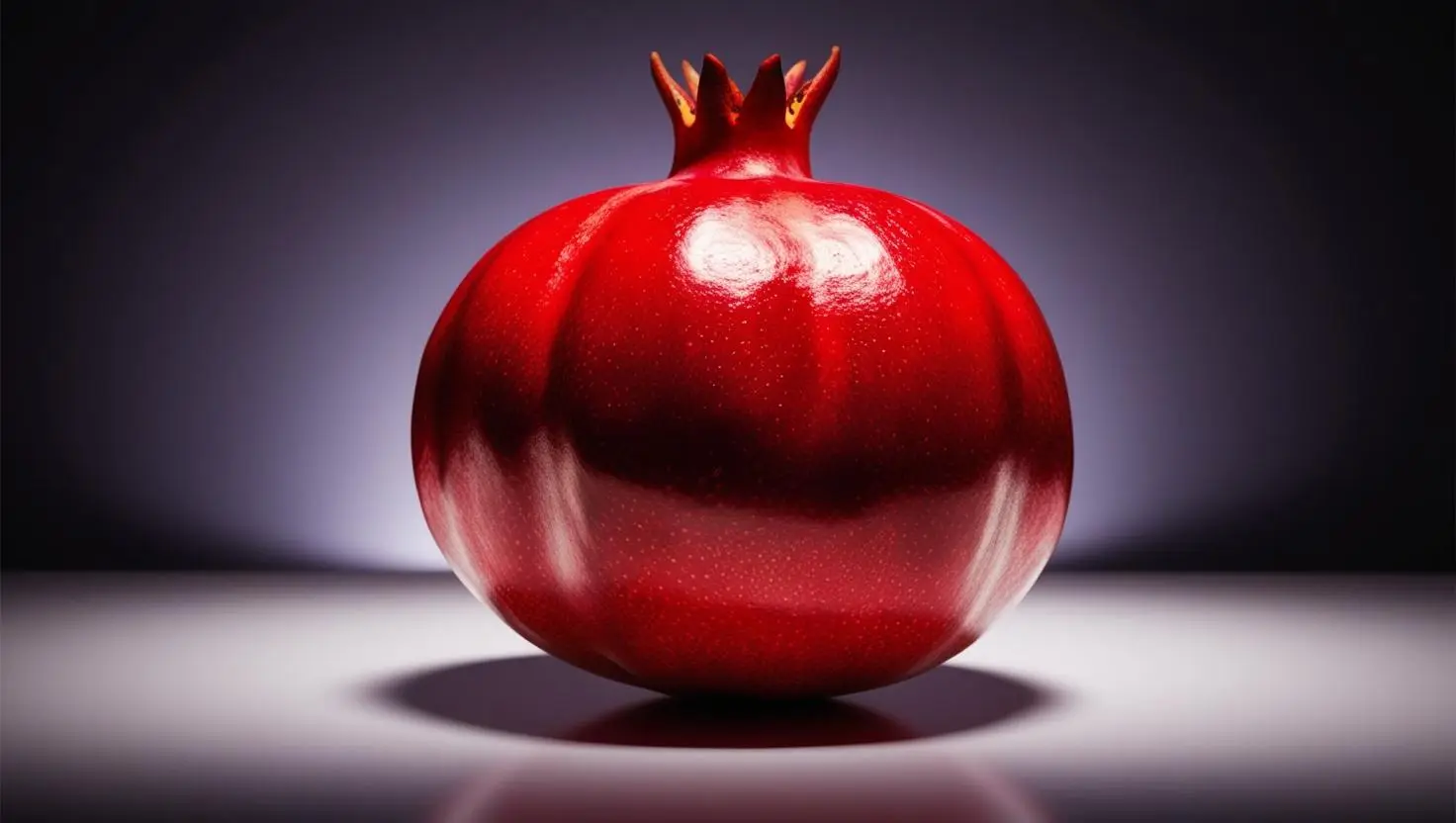
Pomegranate (Punica granatum L.) is an ancient fruit, well known for its nutritional value and medicinal properties. Native to the Middle East and parts of India, it has been cultivated for thousands of years. The fruit’s robust nature, coupled with its ability to thrive in dry climates, makes it a perfect choice for farmers in arid and semi-arid regions. Whether you are a seasoned farmer or new to horticulture, pomegranate cultivation offers promising returns with the right approach. Pomegranate is not just another fruit crop; it is a gateway to profitability and sustainability. With its ability to thrive in challenging conditions, it offers a viable option for farmers in regions with limited water resources. The increasing demand for pomegranate both in domestic and international markets further enhances its value, making it a crop worth your attention.

Varieties of pomegranate
There are several varieties suitable for cultivation in different regions, each with its own unique characteristics. For your farm, especially if located in an arid or semi-arid region, consider the following varieties:
- Bhagwa: Known for its bright red arils, soft seeds, and sweet taste, Bhagwa is highly preferred in both domestic and export markets.
- Ganesh: This early-maturing variety is popular for its sweet and juicy fruits with soft seeds, making it ideal for fresh consumption.
- Mridula: A high-yielding variety, Mridula produces medium to large fruits with dark red arils and a balanced taste.
- Jalore Seedless: As the name suggests, this variety is almost seedless, making it a premium choice for juice production.
Cultivation of pomegranate
Climate
Pomegranate cultivation thrives in dry and semi-arid climates, where a cold winter followed by a hot, dry summer promotes high-quality fruit production. The plants can tolerate frost to some degree and are considered drought-resistant. The ideal temperature range for optimal fruit development is between 35°C and 38°C. Regions situated 500 meters above sea level are particularly well-suited for pomegranate farming.
Soil
Pomegranates can grow in various soil types, from low to high fertility, but they produce the best yields in deep loamy soils. The plants can tolerate some salinity and alkalinity in the soil. The optimal soil pH for pomegranate cultivation ranges from 6.5 to 7.5.
Propagation Methods
Pomegranate plants can be propagated commercially through hardwood cuttings, air layering, and tissue culture.
Hardwood Cuttings:
Although easy to perform, propagation through hardwood cuttings has a lower success rate and is less favored by farmers. Cuttings are typically taken from one-year-old trees, measuring 9 to 12 inches (25 to 30 cm) in length with 4-5 buds, to enhance rooting and survival.
Air Layering:
This is the most common propagation method used by farmers. For air layering, 2 to 3-year-old plants are selected and treated with IBA (1,500 to 2,500 ppm) to improve rooting. Approximately 150 to 200 rooted cuttings can be obtained from a single plant. The rainy season is ideal for this method, with roots forming within 30 days. After 45 days, the layered plants are separated from the mother plant, usually when the root color starts to brown. These cuttings are then placed in polybags and hardened for about 90 days under a shade net or greenhouse.
Tissue Culture:
Tissue culture is an advanced, fast method for multiplying plants, yielding disease-free planting material in a short period. It is recommended to purchase these plants from a reputable nursery.
Pit Preparation and Planting
Ninety-day-old pomegranate plants are ready for transplanting into the main field using prepared pits. The recommended pit size is 60 cm x 60 cm x 60 cm. Farmers typically maintain a planting distance of 10 to 12 feet (3 to 3.6 meters) between plants and 13 to 15 feet (3.9 to 4.5 meters) between rows. During the monsoon, the pits are filled with a mixture of farmyard manure (10 kg), single superphosphate (500 grams), and neem cake (1 kg). The optimal time for planting pomegranates is during the rainy season (July-August) when sufficient soil moisture supports the plants’ growth.
Irrigation
Pomegranates are drought-tolerant but require regular irrigation, especially during the initial years to establish the plants and during critical growth stages such as flowering, fruit set, and fruit development. Drip irrigation is the most efficient method, ensuring that water is delivered directly to the root zone while conserving water.
Watering Schedule
- First Year: Frequent irrigation (every 7-10 days) is necessary to establish the young plants.
- Second Year Onwards: Irrigation frequency can be reduced, but ensure that water stress is avoided during the flowering and fruiting stages.
- Fruit Development: Adequate irrigation during this stage is critical. Water stress can lead to fruit cracking, which reduces the quality and marketability of the fruits.
Training and Pruning in Pomegranate
Training and pruning are essential techniques to manage vegetative growth, maintain the tree’s shape and size, and ensure proper light penetration into the tree’s center. These practices also facilitate cultural operations, spraying, and fruit harvesting.
Two primary training systems are followed in pomegranate cultivation:
- Single-Stemmed Method:
In this method, only one main shoot is allowed to grow, while all other shoots are removed. - Multi-Stemmed Method:
In this approach, the pomegranate plant is maintained in a bush-like shape by retaining 3-4 shoots at the base. This method is widely used and preferred by farmers because it provides a safeguard against shoot borers. If one shoot is damaged, the remaining shoots can still produce a yield, preventing complete loss.
Manures and Fertilizers
For pomegranate cultivation, it is recommended to apply farmyard manure at a rate of 25-40 tonnes per hectare during planting preparation. Additionally, a fertilizer application of 600-700 grams of nitrogen, 200-250 grams of phosphorus pentoxide, and 200-250 grams of potassium oxide per tree per year is advised.
Pest and Disease Management
Pomegranates are susceptible to several pests and diseases, which can affect both the yield and quality of the fruits. Early detection and prompt management are crucial for maintaining a healthy orchard.
Common Pests
- Mites: Mites can cause significant damage by feeding on the leaves, leading to discoloration and reduced photosynthesis. Spraying with acaricides like propagate can effectively control mites.
- Thrips: Thrips feed on the tender leaves and flowers, causing them to curl and deform. Imidacloprid or spinosad sprays are effective against thrips.
- Fruit Borers: These pests bore into the fruits, making them unmarketable. Regular monitoring and timely application of insecticides can prevent infestations.
Physiological Disorder
Fruit cracking: To address fruit cracking, ensure optimal soil moisture during the Mrig bahar fruiting season. Apply calcium hydroxide to the foliage after the fruit set. If there is a boron deficiency, spray a solution of borax at 0.1 percent at a rate of 20 grams per plant per year. Additionally, spray gibberellic acid at 250 parts per million in June.
Harvesting
Pomegranates are typically ready for harvest 150 to 180 days after flowering, depending on the variety, climate, and growing region. It is crucial to harvest the fruit at the right stage of maturity. Early harvesting can result in fruits that are dull, immature, and improperly ripened, while late harvesting makes the fruit more susceptible to disorders.
Several indicators can help determine the optimal time for harvesting. The fruit should develop a dark rose-pink color on its surface, and consumers generally prefer dark pink arils. Another maturity sign is when the calyx at the fruit’s bottom turns inward. The arils should have a deep red or pink hue, but the fruit should not be overripe.
For harvesting, it is recommended to use secateurs or clippers to avoid damaging the fruits, as manual twisting can harm them, especially when they are in clusters.
Post harvesting
Post-harvest management involves grading fruits based on their weight, size, and color. They can be stored in cold storage for up to 2 months or 10 weeks at a temperature of 5°C. For extended storage, the temperature should be adjusted to 10°C with 95% relative humidity to prevent chilling damage and weight loss.
Pomegranate Packaging
Pomegranates are typically packed in wooden boxes or plastic crates for domestic and local markets. For international markets, corrugated fiberboard boxes are commonly used, with box capacities of either 4 kg or 5 kg.
According to AGMARK specifications, the dimensions for a 4 kg box are 375 × 275 × 100 mm, and for a 5 kg box, they are 480 × 300 × 100 mm.
Temperature is a critical factor for extending the shelf life of pomegranates, as the fruits are perishable. Proper temperature control is essential for long-term storage. Extremely low temperatures can cause chilling injury, so the ideal storage conditions for fresh pomegranates are 6° to 7°C with 90% to 95% relative humidity. Under these conditions, pomegranates can be stored for up to 3 months.
Reference articles
-
https://www.plantmegreen.com/pages/pomegranate-guide?srsltid=AfmBOop-lQTGy2uITuo7rQFj6tI0wa-Xh56jrJfoJwqtanaKKQCNF1GY
-
https://www.nicheagriculture.com/complete-guide-on-pomegranate-cultivation/
-
https://agricultureguruji.com/pomegranate-farming/
Connect with Us.
Wishing you a bountiful and prosperous Pomegranate harvest! For further assistance or any queries E-mail us, please feel free to reach out to your local agricultural experts @ Agrigo 24/7
Leave a Reply