
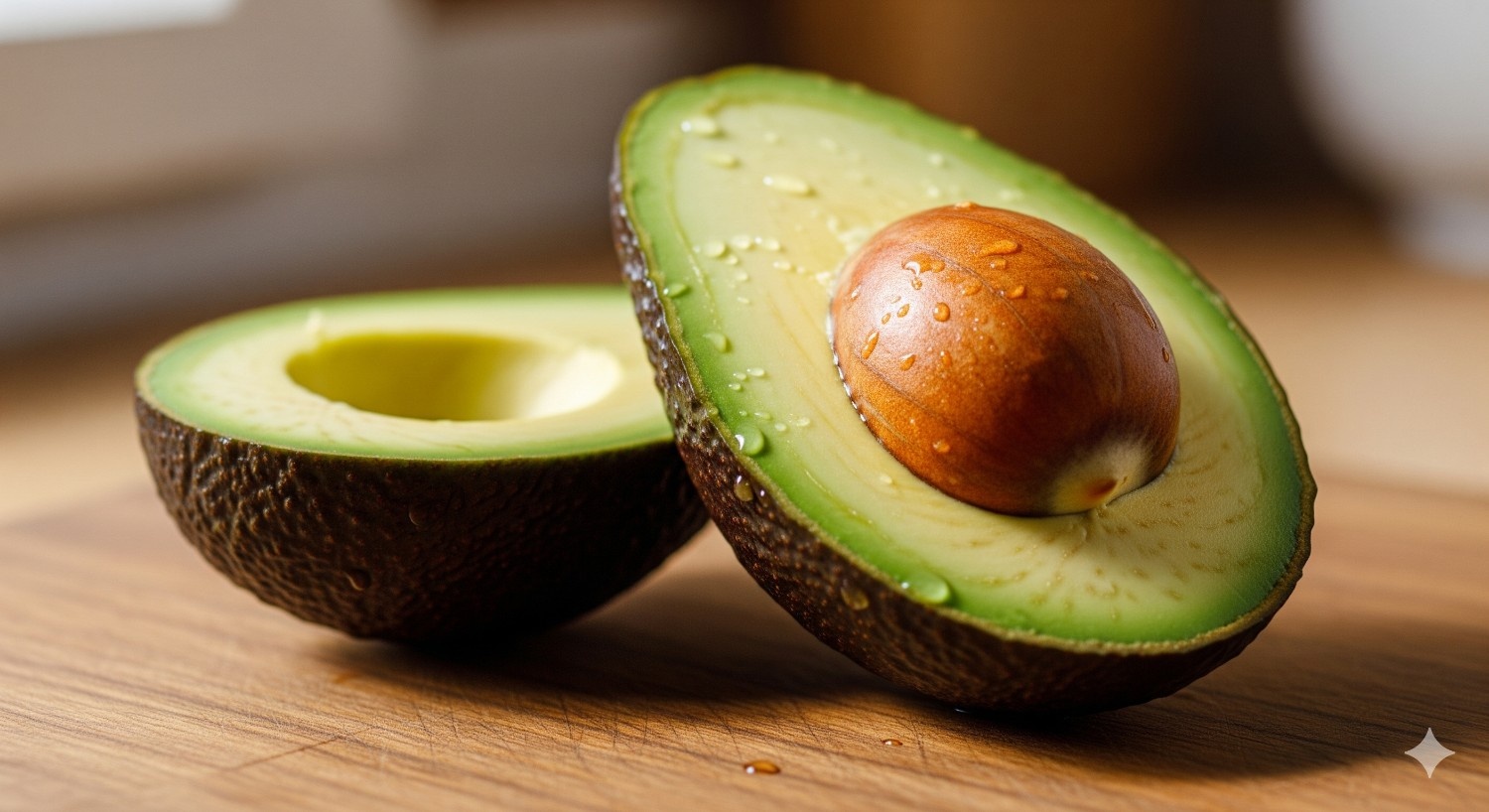
About Avocado
Avocado farming has become one of the most exciting areas in modern agriculture. Farmers call it “green gold” because it gives high returns. Consumers love avocados for their smooth texture, unique taste, and many health benefits. Global demand rises each year, and new markets open in every continent.
Avocado once grew mainly in Central America. Today, it has become a global crop. From Mexico to Kenya, from California to Vietnam, farmers now grow avocados for both local and export markets. Because of this growth, learning how to farm avocados correctly is important. Farmers must understand climate, soil, varieties, and management practices. They must also learn about pests, diseases, harvesting, and markets. With the right knowledge, avocado farming can be both profitable and sustainable.


What Is Avocado Farming?
Avocado farming means planting, growing, and harvesting avocado trees for fruit. The avocado tree, Persea americana, comes from Mexico and Central America. Indigenous people cultivated it for thousands of years. Spanish explorers carried it to Europe, and from there it spread worldwide.
Today, the fruit is a global symbol of health. Restaurants serve avocado toast and guacamole in every major city. Nutritionists recommend it as a source of healthy fats. Farmers now see avocados as a secure investment.
Major producers include Mexico, Peru, Chile, Colombia, Kenya, and South Africa. The United States grows avocados in California, Florida, and Hawaii. Asian countries such as Vietnam, Indonesia, and the Philippines also grow them. Because demand grows so fast, even countries without a tradition of avocado farming now try to produce the crop.
Climate and Soil Requirements
Avocados need a mild climate. The best temperature range is 15°C to 30°C. Too much cold damages flowers and young plants. Frost kills young trees quickly. Extreme heat above 35°C also stresses the plant. Therefore, regions with mild winters and warm summers are ideal.
Avocados require 1000 to 1500 mm of rainfall. If rainfall is lower, farmers use irrigation. However, too much rain may cause root rot. Therefore, well-drained land is necessary.
The soil must be light, deep, and rich in organic matter. Sandy loam soils are best. Clay soils harm roots because they hold too much water. The best soil pH is between 6 and 7. Because avocado roots are sensitive, waterlogging must be avoided. Slopes or raised beds reduce risk.
Avocado Varieties
Farmers can choose from many varieties. Each one has unique qualities.
- Hass: The most famous variety. It has dark, rough skin and creamy flesh. It dominates international trade because of its long shelf life.
- Fuerte: Pear-shaped with smooth green skin. It has a mild taste and grows well in many climates.
- Reed: Large, round fruit with a creamy texture. Popular in some regions.
- Bacon: Cold-tolerant, light green skin, smaller fruit.
- Zutano: Also cold-tolerant, often used as a pollinator variety.
- Pinkerton: Long fruit, small seed, high flesh content.
- Lamb Hass: Similar to Hass but larger and later in season.
Choice of variety depends on climate, soil, and market demand. Farmers often plant Hass for exports, but may grow Fuerte or Bacon in colder regions.
Propagation and Planting
Avocados can grow from seed, but seed-grown trees take 6–10 years to fruit. Commercial farming uses grafted plants, which start fruiting in 3–4 years and give uniform quality. Nurseries prepare grafted seedlings using strong rootstocks.
Planting begins at the start of the rainy season. Farmers dig pits of 60 cm × 60 cm × 60 cm. They fill the pit with topsoil mixed with compost or manure. The plant is placed carefully to avoid root injury.
Spacing is usually 6–8 meters between trees. Wider spacing allows sunlight and airflow. In high-density farming, spacing may be closer, but pruning becomes important. Farmers mulch the base with straw or leaves to hold moisture and reduce weeds.
Farm Management Practices
Irrigation
Young avocado plants need water every 7–10 days. Mature trees need water every 10–15 days. Drip irrigation is the best method. It saves water and gives moisture directly to the roots. Overwatering must be avoided, as it causes root rot.
Fertilization
Organic manure improves soil health. Farmers also apply nitrogen, phosphorus, and potassium. Micronutrients like zinc, boron, and magnesium are important for flowering and fruiting. Balanced nutrition improves yield and quality.
Mulching and Weed Control
Mulching conserves soil moisture and suppresses weeds. Organic mulches such as straw, leaves, or grass clippings work well. Inorganic mulch like plastic sheets is also used in some areas. Hand weeding or shallow hoeing is common.
Training and Pruning
Training young plants helps shape the tree. Farmers remove weak or crossing branches. They prune to allow sunlight and airflow. Pruning also makes harvest easier. Regular pruning reduces disease risk and increases yield.
Flowering and Fruiting
Avocados flower in spring. Each tree produces thousands of flowers. However, only a small number develop into fruits. Bees and other insects play a key role in pollination. Farmers may place beehives in orchards to improve fruit set. Fruits mature in 6–8 months after flowering.
Pests and Diseases
Pests
- Fruit flies damage fruits by laying eggs inside.
- Thrips and mites suck sap from leaves and fruits.
- Caterpillars may feed on leaves and young shoots.
Diseases
- Root rot (caused by Phytophthora fungus) is the most serious. It kills trees quickly. Good drainage prevents it.
- Anthracnose causes black spots on fruits. It reduces market value.
- Cercospora leaf spot damages leaves.
Integrated pest management works best. Farmers use resistant varieties, good farm hygiene, and eco-friendly sprays.
Harvesting and Post-Harvest Handling
Avocados must be picked when mature but still firm. They do not ripen on the tree. Signs of maturity include skin color change and loosening of the seed inside. Farmers use clippers or poles with baskets to harvest. Care is taken not to injure the fruit.
After harvest, fruits are graded by size and quality. They are washed, dried, and packed in cartons. Cold storage extends shelf life. Exporters use controlled atmosphere storage to preserve freshness. Proper handling is vital because bruised fruits lose value.
Economic and Health Importance
Avocado farming brings high income. One tree can give 100–300 fruits each year. Global prices remain strong due to rising demand. Farmers earn more if they supply export markets.
Health benefits add to avocado’s popularity. The fruit contains healthy fats, especially monounsaturated fat. It is rich in fiber, potassium, vitamins C, E, and K. Avocados support heart health, weight control, and skin care. They also help in lowering cholesterol. Beyond food, avocado oil is used in cosmetics, soaps, and hair products.
Avocado Farming Around the World
- Mexico produces about one-third of the world’s avocados.
- Peru and Chile export large volumes to Europe and Asia.
- Colombia and the Dominican Republic are fast-growing producers.
- Kenya, Tanzania, and South Africa lead production in Africa.
- In Asia, Vietnam, Indonesia, and the Philippines increase output each year.
- Australia and New Zealand also produce avocados for regional markets.
This spread shows how global avocado farming has become.
Market Opportunities and Value Addition
Avocado demand grows because of changing diets. People want more healthy, plant-based foods. Fresh fruit markets grow fast, but value addition creates even bigger chances.
Products include:
- Avocado oil for cooking and cosmetics
- Processed guacamole for restaurants
- Avocado powder and supplements
- Dried avocado snacks
- Avocado-based beauty creams
Export markets demand strict standards. Certification, traceability, and organic labels add more value.
Challenges and Solutions
Avocado farming is profitable, but farmers face challenges.
- Climate change brings droughts and unpredictable weather. Solutions include drip irrigation, mulching, and planting tolerant varieties.
- Pests and diseases reduce yields. Farmers can use integrated pest management.
- Post-harvest losses affect profits. Cold storage and proper handling reduce waste.
- Market fluctuations create risk. Diversifying products and markets helps stability.
- High investment in irrigation and inputs can discourage small farmers. Cooperatives and government support can help.
Future Prospects in Avocado Farming
Avocado farming will continue to expand. Rising demand in Asia and Europe ensures strong markets. Organic and sustainable farming will gain importance. Protected cultivation and hydroponics may allow production in new regions. Climate-smart methods will become essential to cope with weather risks.
Technology will also play a role. Drones, sensors, and mobile apps can help farmers manage orchards better. Global trade networks will connect small farmers to big markets. The future of avocado farming looks bright if growers adopt sustainable and efficient methods.
Conclusion
Avocado farming is no longer limited to a few regions. It has become a global opportunity. With proper climate, soil, and farm management, farmers can earn a high income. The fruit meets rising demand for healthy, plant-based foods. It also offers value-added products for many industries.
Challenges exist, but solutions are available. By using sustainable practices, farmers can protect both profits and the planet. Therefore, avocado farming is more than a business. It is a path to health, sustainability, and global trade.
Connect with us
We truly value your interest and look forward to connecting with you. Whether you have questions, need tailored solutions, or wish to explore collaboration, we are here to help. Reach out today — our team is ready to provide expert guidance and meaningful support. Wishing you a bountiful farming of avocado. For further assistance, email us. Please feel free to reach out to us @Agrigo24/7.
References
https://indoisraelavocado.com/avocado-farming-in-india/
https://www.fao.org/4/x6902e/x6902e06.htm
https://eos.com/blog/avocado-farming/
https://israelagri.com/growing-avocado-in-india/
FAQ
- Which climate suits avocado farming best?
Mild, frost-free regions with temperatures of 15–30°C. - How long does an avocado tree take to fruit?
Grafted trees give fruit in 3–4 years. Seed-grown trees take longer, up to 10 years. - Which is the most popular avocado variety worldwide?
Hass avocado dominates global trade. - How much water does avocado farming need?
Young plants need weekly watering. Mature trees need water every 10–15 days. - Is avocado farming profitable?
Yes, because demand and prices remain strong worldwide. - Which countries lead avocado production?
Mexico, Peru, Chile, Kenya, and South Africa are top producers.
Leave a Reply