
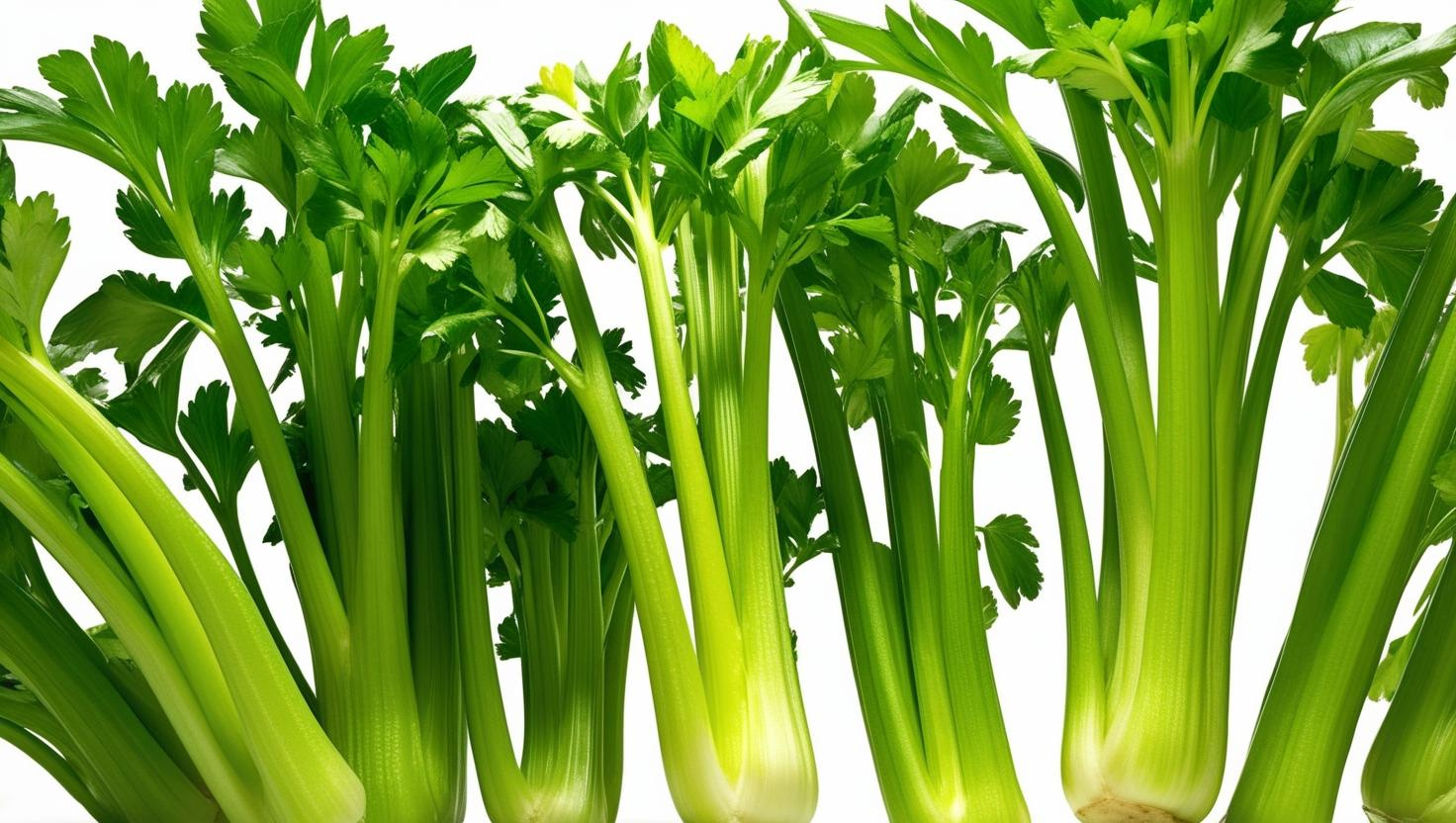
Celery (Apium graveolens) is a cool-season biennial plant from the carrot family, Umbelliferae. It has been cultivated since ancient times, originally for medicinal purposes, and has since become a popular vegetable known for its crunchy stalks and fresh flavor. Its cultivation requires specific conditions to ensure the best yield and quality. This guide provides a detailed overview of celery cultivation, including its varieties, benefits, and cultivation practices.
Celery is a biennial plant but is cultivated as an annual for its stalks. It thrives in cool, humid climates and requires a long growing season with an ample and consistent supply of moisture. While celery cultivation demands meticulous care, it can be highly rewarding, providing a fresh, nutritious crop with numerous health benefits.

Varieties of Celery
The main types of celery cultivated worldwide include:
Pascal Celery
The most common variety is known for its tall, thick stalks, and crisp texture. It’s often used in salads, soups, and as a snack.
Golden or Yellow Celery
Also known as blanched celery, this variety is more delicate, with a milder flavor. It requires blanching during cultivation, which involves covering the plants to prevent sunlight exposure, resulting in pale, tender stalks.
Celeriac (Root Celery)
While not grown for its stalks, celeriac produces a large, edible root that is commonly used in soups, salads, and other dishes.
Farmers should choose celery varieties based on market demand and local climate conditions. Currently, green varieties like Pascal are the most commercially viable unless there is a niche market for yellow or blanched celery.
Benefits of Celery Cultivation
Nutritional Value
Celery is low in calories but rich in vitamins A, K, and C, as well as potassium and sodium. It contains antioxidants and dietary fiber, making it a healthy addition to a balanced diet.
High Market Demand
Due to its growing popularity as a salad vegetable and its use in various cuisines, celery has seen an increase in demand, offering a lucrative market opportunity for farmers.
Multiple Uses
Celery can be consumed fresh, used in cooking, or processed into products like celery salt and powder. Its leaves can also be used in soups and dried herb mixes.
Perennial Crop Potential
Though typically cultivated as an annual, with careful crop rotation and soil management, celery can be included in a perennial cropping system.
Celery Cultivation
Climate and Soil Requirements
Climate
Celery thrives in cool, humid conditions with a long growing season. Optimum growth occurs at temperatures of 12-16°C. Temperatures below 2°C can induce premature flowering (bolting), affecting yield quality. It can withstand light frosts in the fall but may be damaged by moderate freezes.
Soil
Well-drained peat with a high water table is ideal for celery cultivation. It can also grow on fertile, medium-textured mineral soils with high organic matter if irrigation is provided. The soil pH should be maintained between 6.0 and 6.8. Clay soils are generally unsuitable due to poor drainage.
Seed Selection and Treatment
Use seeds that are about three years old to avoid viable leaf blight. Seeds can be “primed” or coated to enhance germination. For disease-free cultivation, use hot-water-treated seeds.
Celery seeds should be sown 10-12 weeks before transplanting into the field. Approximately 150-200 grams of seed are needed for 1 hectare. Sow seeds in a greenhouse or nursery bed for better germination and plant health.
Transplanting and Spacing
Transplant seedlings into the field when they are 10-12 weeks old, with the danger of prolonged cold or frost past.
Standard spacing is 15-20 cm between plants in rows that are 60-100 cm apart. For higher density, paired rows 20 cm apart with 60-100 cm between pairs can be used.
If plants are too tall before transplanting, they can be clipped to 12-15 cm to ease transplanting. However, well-grown, untrimmed plants are preferable for less growth disturbance.
Water and Irrigation Management
Celery requires high soil moisture for succulent and tender stalks. Irrigate regularly, providing around 75 cm of water throughout the growing season. More water is necessary during the last month before harvest to support rapid growth.
Frequent irrigation is essential, especially in areas with inconsistent rainfall. Consider using drip or overhead irrigation systems to maintain uniform moisture levels.
Soil Nutrition and Fertilization
Celery is a heavy feeder and requires careful nutrient management:
Manure
Apply up to 100 tonnes of manure per hectare to enrich soil organic matter, ensuring nitrogen levels are managed.
Lime
Apply lime to maintain a soil pH of 6.0-6.8.
Nitrogen
Celery requires a high amount of nitrogen. Apply two-thirds of the nitrogen at planting and the rest in 2 to 3 side dressings throughout the growing season.
Phosphorus and Potassium
Phosphorus is usually broadcast before planting, while potassium should be incorporated into the soil, especially in sandy loam soils.
Micronutrients
Ensure sufficient levels of boron, magnesium, and calcium to prevent deficiencies. Calcium nitrate or calcium chloride applications can prevent “blackheart,” a common disorder in celery.
Weed and Pest Management
Weeding
Mulching with plastic or organic materials can help control weeds. Cultivate or hand hoe when necessary, depending on weed pressure.
Pest Control
Common pests include aphids, leafhoppers, and tarnished plant bugs. Use appropriate pest management practices, such as insecticides, integrated pest management (IPM), and maintaining cleanliness in and around the cultivation area.
Disease Management
Use disease-resistant varieties and treated seeds to minimize issues such as damping-off, leaf blights, pink rot, and aster yellows.
Regularly spray fungicides as needed and ensure proper spacing and air circulation to prevent fungal growth.
Harvesting and Post-Harvest Handling
Celery is ready for harvest when stalks reach marketable size. Cut stalks below ground level using a sharp blade, trim off outer leaves, and pack for market.
For large-scale production, machine harvesting may be utilized. After harvesting, celery should be washed, trimmed, and packed immediately to retain freshness.
Store celery at 0-1°C with 98-100% relative humidity. Precooling using hydrocooling or forced air is essential to maintain quality. Proper storage can extend celery’s shelf life for 1-2 months.
Celery Products and Marketing
Fresh Market
Most celery is sold fresh, in supermarkets, farmer’s markets, or wholesalers.
Processed Products
Celery can be processed into soups, dried herb mixes, and celery salt.
Health Products
Rich in vitamins and minerals, celery can be marketed as a health food, targeting consumers looking for low-calorie, high-nutrient options.
Uses of Celery
Celery (Apium graveolens) is a versatile vegetable with multiple uses across culinary, medicinal, and industrial fields. Here’s a detailed overview of its various uses:
Culinary Uses
Fresh Consumption
Celery is widely consumed raw due to its crunchy texture and refreshing flavor. It is a popular snack, often paired with dips, peanut butter, or cream cheese. Its low-calorie content makes it ideal for health-conscious diets.
Salads
Celery adds crunch and flavor to salads, whether chopped into green salads, pasta salads, or mixed vegetable salads. The stalks and leaves are both used to enhance the overall texture and taste of dishes.
Soups and Stews
Celery is a key ingredient in soups, broths, and stews, providing a subtle flavor that complements other ingredients. Its aromatic properties and fibrous texture make it a base ingredient in stocks and soups, often paired with carrots and onions (as part of the mirepoix in French cooking).
Juices and Smoothies
Celery juice has gained popularity for its health benefits, including detoxification and anti-inflammatory properties. Celery can also be blended into green smoothies to add nutrients and fiber.
Cooking Ingredient
Celery stalks are used in a variety of dishes, including stir-fries, casseroles, and roasted vegetables. Its mild flavor blends well with spices and herbs, enhancing the taste of numerous cuisines.
Medicinal and Health Benefits
Rich in Nutrients
Celery is low in calories but rich in essential nutrients, including vitamins A, K, and C, potassium, and fiber. Its high water content helps with hydration and contributes to its diuretic properties.
Digestive Health
The fiber in celery aids digestion, promoting regular bowel movements and helping prevent constipation. It also contains antioxidants that support a healthy gut.
Anti-Inflammatory Properties
Celery contains phytonutrients like flavonoids and polyphenols, which have anti-inflammatory effects. Regular consumption may help reduce inflammation in the body, potentially benefiting those with arthritis or other inflammatory conditions.
Blood Pressure Regulation
Celery contains compounds such as phthalides, which may help relax blood vessel walls, improving blood flow and reducing blood pressure. This makes it beneficial for heart health.
Connect with Us.
Every step, from planting to processing, shapes your success. With the right methods, your Celery can thrive. At Agrigo24/7, we’re here to guide you with expert advice and innovative solutions. Let’s grow a prosperous future together.
Leave a Reply