
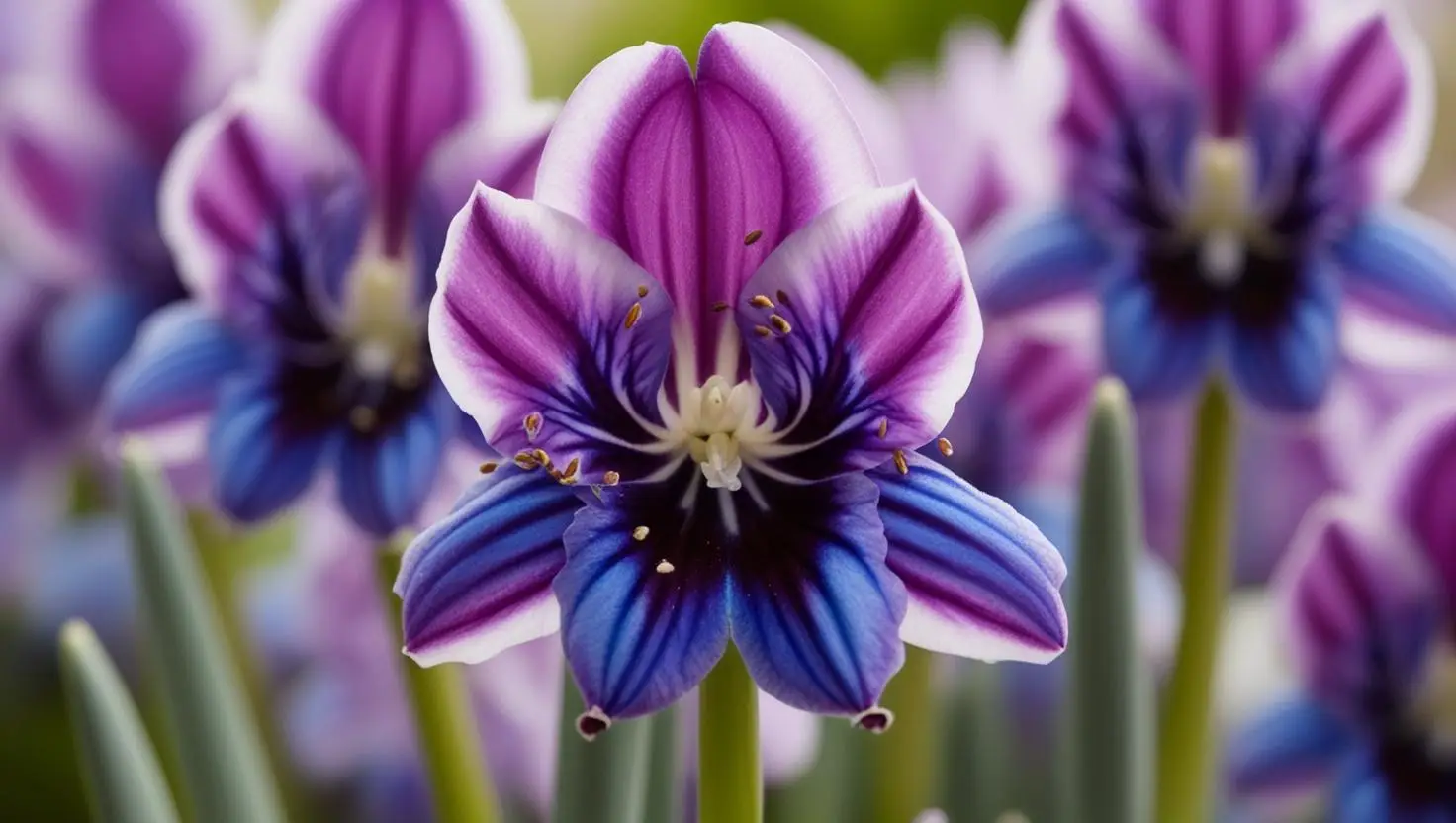
Hyacinthus orientalis, commonly known as the Oriental Hyacinth, is a captivating bulbous perennial renowned for its stunning, fragrant blooms and rich colours. Native to the Eastern Mediterranean region, this plant has become a favourite in gardens and indoor settings worldwide due to its aesthetic appeal and relatively straightforward cultivation requirements. This comprehensive guide explores the various aspects of cultivating Hyacinthus orientalis, including its growing conditions, propagation methods, maintenance, and potential drawbacks.

Introduction
Hyacinthus orientalis is distinguished by its dense flower spikes, which can range in colour from pure white to deep blue, pink, red, and purple. Blooming in early spring, the plant offers a vibrant splash of colour and an enticing fragrance, making it a popular choice for garden enthusiasts and indoor plant lovers alike. Its ease of care and ability to thrive in a variety of environments contribute to its widespread appeal.
Benefits of Growing Hyacinthus orientalis
- Aesthetic Appeal: One of the primary reasons for growing Hyacinthus orientalis is its visual charm. The plant produces large, fragrant flower spikes that can enhance any garden or indoor space. The array of colours available allows gardeners to create visually striking displays that can complement other plants and landscaping elements.
- Seasonal Interest: Hyacinthus orientalis blooms in early spring, providing much-needed colour after the winter months. Its early bloom helps bridge the gap between the end of winter and the arrival of summer flowers, adding seasonal interest to the garden.
- Indoor Use: The plant is highly suitable for indoor cultivation, especially when forced. By chilling the bulbs and planting them indoors, gardeners can enjoy Hyacinthus orientalis‘s beauty and fragrance even during colder months. This makes it a versatile choice for brightening up homes and offices.
- Ease of Cultivation: Hyacinthus orientalis is relatively easy to grow and maintain. It is well-suited for both novice gardeners and experienced horticulturists due to its adaptability and minimal care requirements.
Varieties of Hyacinthus orientalis
Hyacinthus orientalis comes in several varieties and cultivars, each with unique attributes:
- Hyacinthus orientalis ‘Delft Blue’: This variety features a striking blue hue with a hint of lavender. It adds a cool and calming tone to garden displays and floral arrangements.
- Hyacinthus orientalis ‘Pink Pearl’: Known for its soft pink flowers, ‘Pink Pearl’ is ideal for creating a romantic or pastel-themed garden setting. Its gentle colour adds a touch of elegance.
- Hyacinthus orientalis ‘White Pearl’: Producing pristine white flowers, this variety is perfect for classic or minimalist floral designs. Its clean colour can complement a wide range of garden styles.
- Hyacinthus orientalis ‘Jan Bos’: With its vibrant red flowers, ‘Jan Bos’ makes a bold statement in garden beds and containers. Its intense colour can create a striking focal point.
Physico-Climatic Conditions
Hyacinthus orientalis requires specific conditions to thrive:
- Temperature: The plant needs a period of cold dormancy to bloom properly. Ideally, it should be exposed to temperatures between 5°C and 10°C (41°F to 50°F) for about 6-8 weeks. In regions with warmer climates, pre-chilling the bulbs in the refrigerator before planting can simulate these conditions.
- Light: Hyacinthus orientalis prefers full sun to partial shade. It performs best with 4-6 hours of direct sunlight per day. In indoor settings, place the bulbs in a bright, sunny location to ensure optimal growth.
- Soil: The plant thrives in well-drained, loamy soil that is rich in organic matter. The ideal pH range for the soil is between 6.0 and 7.0. Avoid heavy, clayey soils that can lead to bulb rot.
- Water: Hyacinthus orientalis requires moderate watering. The soil should be kept evenly moist but not waterlogged. Overwatering can lead to bulb rot while underwatering can impede growth.
Propagation Methods
Hyacinthus orientalis is primarily propagated through bulbs, though seeds can also be used:
- Bulb Propagation: The most common and effective method is through bulbs. Select firm, healthy bulbs for planting. Space the bulbs about 10-15 cm (4-6 inches) apart and plant them at a depth of approximately 10 cm (4 inches). This spacing allows for adequate growth and reduces the risk of disease.
- Seed Propagation: Although less common, seeds can be used to propagate Hyacinthus orientalis. Sow seeds in a seed tray filled with a seed-starting mix, covering them lightly with soil. Maintain a temperature of around 20°C (68°F) and keep the soil moist. Germination can take several weeks, and seedlings will need to be transplanted once they reach a suitable size.
Planting and Care
- Site Preparation: Choose a location with well-draining soil and full sun to partial shade. Prepare the soil by incorporating compost or well-rotted manure to improve fertility and drainage. If planting in containers, use a high-quality potting mix designed for bulbs.
- Planting: Plant bulbs in the fall, ideally in September or October. This timing allows the bulbs to undergo the necessary cold period for blooming. Space bulbs 10-15 cm (4-6 inches) apart and plant them at a depth of 10 cm (4 inches). Water thoroughly after planting to settle the soil and encourage root growth.
- Fertilization: Apply a balanced, all-purpose fertilizer in the spring as new growth emerges. Follow the manufacturer’s instructions for application rates to avoid over-fertilizing, which can lead to excessive foliage growth and reduced flowering.
- Watering: Water regularly to keep the soil evenly moist. Reduce watering once the flowers have faded and the foliage begins to die back. Allow the foliage to yellow and die naturally, as this helps the bulb store energy for the next growing season.
Pest and Disease Management
Hyacinthus orientalis can be affected by various pests and diseases, which require attention:
- Pests: Common pests include aphids, spider mites, and nematodes. Aphids can be controlled with insecticidal soap, while spider mites can be managed with neem oil. Nematodes, which can cause damage to the bulb roots, may require soil treatments or replanting in fresh soil.
- Diseases: Bulb rot, caused by fungi such as Fusarium and Botrytis, is a common issue. Ensure proper drainage to prevent bulb rot and avoid planting bulbs that show signs of disease. Remove and discard infected bulbs immediately to prevent the spread of disease.
- Fungal Issues: Powdery mildew, which appears as a white, powdery substance on the foliage, can affect the plant. Improve air circulation around the plants and apply fungicides if necessary. Proper spacing and avoiding overhead watering can help reduce the incidence of fungal problems.
Post-Harvest Care
- Flowering: After the flowers have faded, remove the spent flower spikes but allow the foliage to die back naturally. This process helps the bulb store energy for the next growing season. Do not cut back the leaves until they have turned yellow and withered completely.
- Bulb Storage: Once the foliage has died back, dig up the bulbs. Allow them to dry in a cool, dark place for a few weeks. After drying, store the bulbs in a cool, dry area until it is time to replant. Proper storage is crucial for preventing rot and disease during the dormant period.
- Replanting: Hyacinthus orientalis bulbs can be replanted in the fall. In regions with mild winters, the bulbs may remain in the ground year-round. In colder climates, ensure the bulbs are properly chilled before replanting to encourage optimal blooming.
Disadvantages of Hyacinthus orientalis
Despite its many advantages, Hyacinthus orientalis has some drawbacks:
- Short Blooming Period: The plant’s blooming period is relatively short, lasting only a few weeks in early spring. This limited flowering time may reduce its impact on garden displays compared to plants with a longer bloom period.
- Bulb Vulnerability: Bulbs are susceptible to rot if not planted in well-draining soil. Proper planting, care, and storage are essential to prevent bulb-related issues.
- Fragrance Sensitivity: While many people enjoy the fragrance of Hyacinthus orientalis, some may find it overpowering or irritating. This is particularly relevant for indoor cultivation, where the scent may be more concentrated.
- Pest and Disease Risks: The plant can be prone to various pests and diseases, which require regular monitoring and management. Proper care and preventive measures are necessary to keep the plant healthy.
Conclusion
Hyacinthus orientalis is a beautiful and versatile plant that can enhance any garden or indoor space with its vibrant colours and delightful fragrance. Its ease of cultivation and wide range of available varieties make it a popular choice among gardeners. By understanding its specific growth requirements, propagation methods, and care needs, you can successfully grow this stunning plant and enjoy its springtime blooms year after year. Despite some potential challenges, the rewards of cultivating Hyacinthus orientalis make it a worthwhile addition to any horticultural collection.
Every step, from planting to processing, shapes your success. With the right methods, your mulberries can thrive. At Agrigo24/7, we’re here to guide you with expert advice and innovative solutions. Let’s grow a prosperous future together.
Leave a Reply