
Dear Farmers,
I hope this letter finds you well and thriving. Today, I am writing to you enthusiastically about the promising venture of cultivating lilies. As you explore diverse agricultural opportunities, lily cultivation can be a rewarding and profitable addition to your farming activities. Let us delve into the details of lily cultivation, covering an overview, the benefits of having a lily orchard, and detailed instructions on how to grow these beautiful flowers, including ideal parameters, varieties, and essential practices.

An Overview of Lily Cultivation
Lilies, belonging to the genus Lilium, are herbaceous flowering plants known for their large, showy blooms and delightful fragrance. Originating from the temperate regions of the Northern Hemisphere, lilies have been cultivated for centuries for their ornamental value. They are used extensively in landscaping, cut flower arrangements, and potted plants, making them a versatile choice for floriculture.
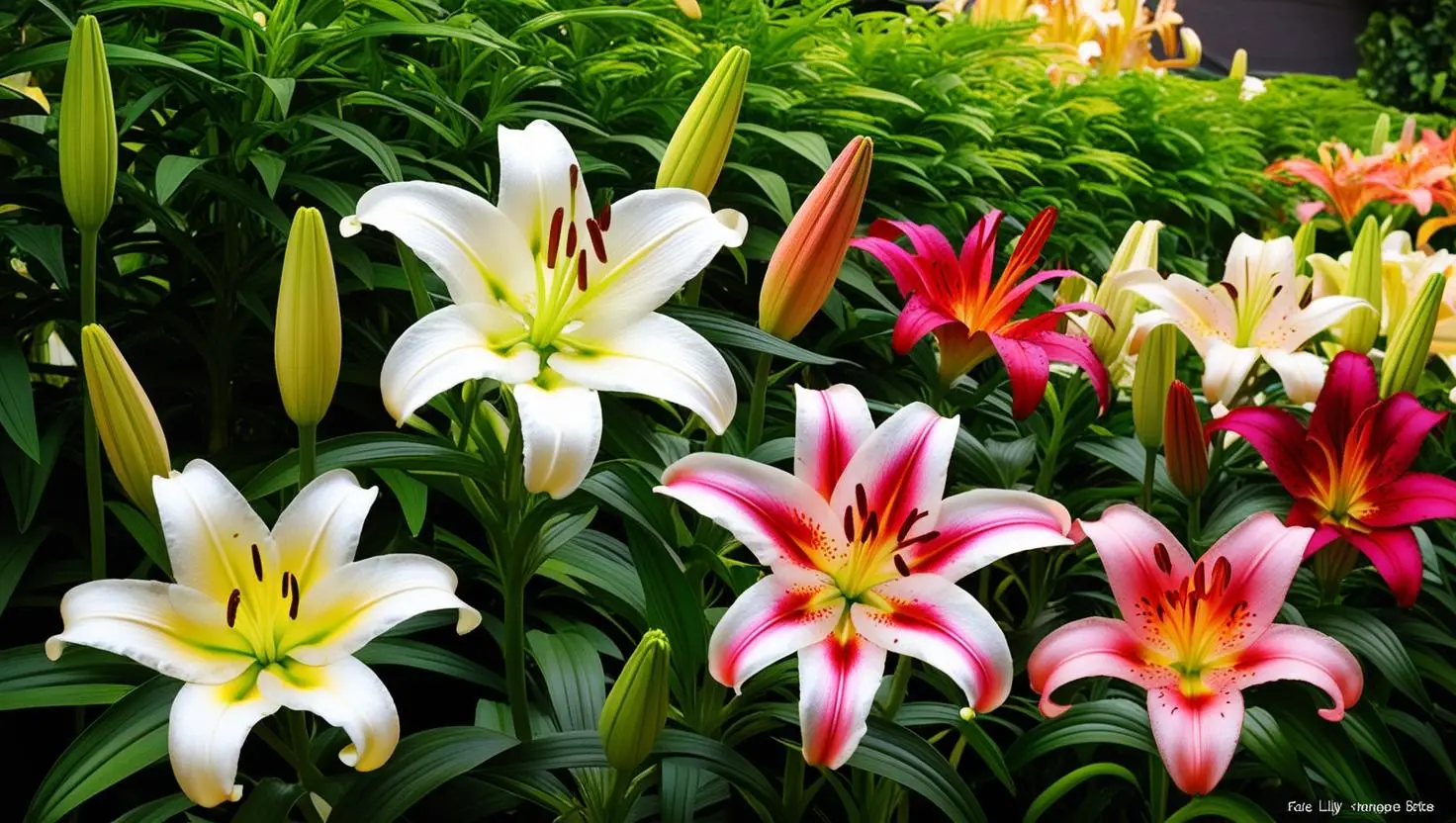
Lilies typically grow from bulbs, which are composed of fleshy, overlapping scales that store nutrients. These bulbs produce erect, leafy stems that culminate in clusters of trumpet-shaped flowers. The flowers come in various colours, including white, yellow, orange, pink, red, and purple, often with intricate patterns and markings.
Why Do You Need a Lily Orchard?
Benefits of Lily Cultivation
- Economic Gain: Lilies have a high market value, especially as cut flowers. They can be sold to florists, nurseries, and directly to consumers, providing a significant income. The demand for lilies peaks during festive seasons and special occasions such as weddings and religious ceremonies, ensuring a steady market.
- Low Maintenance: Once established, lilies require relatively low maintenance compared to other crops. Their resilience and adaptability make them an ideal choice for farmers. They can be grown in open fields, greenhouses, or under shade nets, allowing flexibility in cultivation practices.
- Aesthetic Value: Lilies enhance the beauty of any landscape. Their vibrant colours and striking appearance make them popular for decorative purposes. They can be used in garden beds, borders, and containers, adding charm and elegance to both public and private spaces.
- Diverse Varieties: With numerous varieties available, farmers can choose those that best suit their local climate and soil conditions. The diversity in flower colour, shape, and size allows farmers to cater to different market preferences and increase their profitability.
- Long Blooming Period: Lilies have a long blooming period, ensuring a steady supply of flowers for sale over several months. This extended flowering season helps farmers maximize their returns and reduce the risk of market saturation.
How to Grow Lilies
Ideal Parameters for Growing Lilies
- Climate: Lilies thrive in temperate climates. They prefer a day temperature of 18-22°C and a night temperature of 10-15°C. In regions with extreme temperatures, cultivating lilies in greenhouses or under shade nets can help maintain optimal growing conditions.
- Soil: Well-drained soil with good structure is crucial. The ideal pH ranges from 5.5 to 6.5. Soil composition can include a mix of red soil, farmyard manure (FYM), sand, and rice husks. Adding organic matter to the soil improves its fertility and water-holding capacity.
- Sunlight: Lilies require full sunlight to partial shade. Ensure they receive at least 6 hours of sunlight daily. Providing partial shade during the hottest part of the day can prevent heat stress and sunburn in hot climates.
- Watering: Consistent moisture is vital, especially during the growing season. Water lilies with 5-8 litres per square meter per day, depending on the season. Overwatering should be avoided to prevent bulb rot and other fungal diseases.
Varieties of Lilies
- Asiatic Hybrids: Known for their bright colours and sturdy stems. Varieties include Dreamland (yellow), Brunello (orange), and Novona (white). These hybrids are early bloomers and relatively easy to grow, making them suitable for beginners.
- Oriental Hybrids: Renowned for their large, fragrant flowers. Varieties include Star Gazer (pink and white), Nerostar, and Casablanca. Oriental hybrids are prized for their intense fragrance and stunning appearance, though they require slightly more care.
- Easter Lily (L. longiflorum): Popular for its elegant white flowers. Varieties include Elegant Lady, Snow Queen, and White American. These lilies are often associated with Easter celebrations and have a graceful, classic appeal.
Propagation
Lilies are primarily propagated through bulbs. For commercial cultivation, bulbs should undergo a six-week cold storage period at 2-5°C to break dormancy. This process, known as vernalization, ensures uniform flowering and enhances the quality of the blooms. Bulbs can be stored at -2°C for up to a year.
Propagation can also be done through scaling, where individual scales are removed from a bulb and planted to produce new bulbs. This method is useful for rapidly multiplying high-quality varieties.
Plantation
- Land Preparation: Prepare beds with a mix of soil, FYM, and sand. Ensure good drainage to prevent waterlogging. Raised beds are recommended in areas with heavy rainfall to facilitate drainage.
- Planting Depth: Plant bulbs at a depth of 6 inches. The soil should settle to about 4 inches above the bulbs after irrigation, providing enough soil for root development. Planting depth varies according to bulb size; generally, bulbs should be planted at a depth three times their diameter.
- Spacing: Maintain a spacing of 20×15 cm, 15×15 cm, or 15×10 cm, depending on the cultivar and bulb size. This allows for adequate air circulation and growth. Crowded planting can lead to poor air circulation and increased disease risk.
Fertilization
Lilies are sensitive to high salt levels in the soil, so careful fertilization is necessary. During the initial three weeks, avoid additional fertilizers to encourage root development. After this period, follow a scheduled application of calcium nitrate, potassium nitrate, and micronutrient mixtures.
Fertilization recommendations include:
- Pre-planting: Apply 12:61:00 at 2 kg/100 m² one week before planting to provide phosphorus for root development.
- Three weeks after planting: Apply calcium nitrate at 1 kg/100 m² to support stem and leaf growth.
- Six weeks after planting: Apply potassium nitrate at 1 kg/100 m² to promote flower development.
- Nitrogen Deficiency: If plants show signs of nitrogen deficiency, a top dressing of ammonium nitrate at 1 kg/100 m² can be applied up to three weeks before harvesting.
Weed and Pest Control
Regular weeding is essential to prevent competition for nutrients and ensure healthy lily growth. Mulching with organic materials like straw or compost can help suppress weeds and retain soil moisture.
Common pests include aphids, mites, and thrips. Use appropriate insecticides such as Imidacloprid and Dimethoate for aphid control, and wettable sulfur for mites. Integrated Pest Management (IPM) practices, such as introducing natural predators and maintaining good sanitation, can also be effective.
Diseases like grey mould (Botrytis blight) and bulb rot (caused by Fusarium) can be managed through soil drenching with Carbendazim and Difenoconazole. Ensuring proper spacing, adequate air circulation, and avoiding overhead irrigation can help prevent disease outbreaks.
Irrigation
Lilies require consistent moisture. During summer, provide 6-8 liters of water per square meter daily, and 5-6 liters during winter. Overhead irrigation should be avoided to reduce the risk of fungal infections.
Drip irrigation is the most efficient method, delivering water directly to the root zone and minimizing water wastage. It also reduces humidity around the foliage, lowering the risk of foliar diseases.
Harvesting
Harvest lilies when the lower buds show colour but are not fully open. This stage ensures maximum vase life and marketability. For Asiatic hybrids, the crop duration is 8-10 weeks, while for Oriental hybrids, it is 14-16 weeks.
Use sharp, clean tools to cut the stems, and handle the flowers gently to avoid bruising. Remove the lower leaves to reduce transpiration and place the stems in water immediately after cutting.
Yield and Post-Harvest Care
The average yield for lilies is 30-40 flower stems per square meter. Post-harvest care includes storing the stems in a cool, dark place to maintain freshness. Ensure the flowers are free from pests and diseases before packaging.
To extend the vase life of lilies, use floral preservatives in the water and change the water regularly. Keep the flowers away from direct sunlight, drafts, and ripening fruits, which produce ethylene gas that can shorten their lifespan.
Conclusion
Cultivating lilies can be a fruitful venture, providing both aesthetic pleasure and economic benefits. By adhering to the guidelines outlined in this letter, you can establish a successful lily orchard that thrives in the Indian climate. Embrace the beauty and profitability of lilies and watch your fields flourish with these magnificent blooms.
In conclusion, lily cultivation offers a unique opportunity to diversify your farming activities and enhance your income. With careful planning and adherence to best practices, you can achieve success in this rewarding endeavour.
Wishing you a bountiful and prosperous lilies harvest! For further assistance or any queries, please feel free to reach out to your local agricultural experts @ Agrigo 24/7
Leave a Reply