
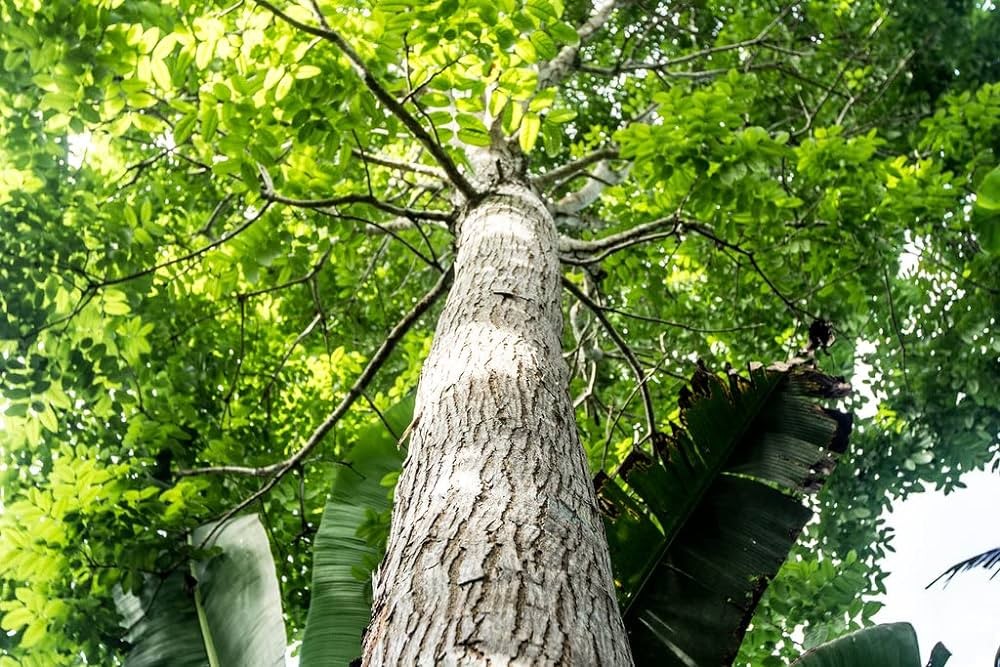
Mahogany Tree Farming: A Lucrative Venture
Mahogany trees are among the most sought-after hardwood species globally, revered for their stunning appearance, durability, and wide applications. Known as “green gold,” the wood from mahogany trees has been prized for centuries, making it a symbol of wealth and luxury. This guide delves into the characteristics, varieties, benefits, and detailed cultivation practices of the mahogany tree, equipping you with the knowledge needed to grow this majestic tree successfully.
Characteristics of Mahogany
Mahogany, specifically Swietenia macrophylla (also known as Bigleaf Mahogany), is a towering tree that can reach heights of up to 60 meters (approximately 200 feet). It is distinguished by its massive trunk and buttresses, which can extend up to 5 meters high. The tree forms a broad, rounded crown supported by a few large branches. Its leaves are pinnate and glossy, contributing to its imposing appearance.
Mahogany trees produce small, fragrant flowers that bloom between July and November, depending on the region. These flowers give way to large, woody fruit capsules, each containing numerous winged seeds. The tree’s reproductive cycle is closely aligned with the seasonal changes, with seeds maturing during the dry season when they are dispersed by wind.
Varieties of Mahogany
There are several species of mahogany, but the most notable ones include:
Swietenia macrophylla (Bigleaf Mahogany): Native to Central and South America, this species is the most commercially valuable. It is known for its large leaves and high-quality timber.

Swietenia mahagoni (West Indian or Cuban Mahogany): Native to the Caribbean, this species was historically the first to be logged and exported in large quantities. It is smaller than S. macrophylla but produces equally valuable wood.

Swietenia humilis (Pacific Coast Mahogany): Found in Central America, this species is less common and smaller in size, making it less significant in the timber industry but still valued for its durability and workability.

Khaya spp. (African Mahogany): Although not a true mahogany, Khaya species are often referred to as “African Mahogany.” They share many characteristics with Swietenia species and are used as a substitute in the timber industry.
Benefits of Mahogany
The benefits of mahogany extend beyond its aesthetic appeal and economic value. Here are some key advantages of cultivating mahogany:
High-Value Timber: Mahogany wood is lightweight, yet strong, resistant to rot, and has a beautiful grain and color, making it ideal for furniture, paneling, musical instruments, and shipbuilding.
Environmental Impact: Mahogany trees play a crucial role in forest ecosystems by providing habitat for various species and contributing to the stability of the forest environment.
Economic Benefits: The cultivation and sale of mahogany timber can be highly lucrative, providing significant income for farmers and communities involved in its production.
Cultural Significance: Mahogany has been a symbol of prestige and luxury for centuries, used in everything from royal furniture to historic naval ships.
Cultivation of Mahogany
Site Selection
Choosing the right location is critical for successful mahogany cultivation. Mahogany trees thrive in tropical and subtropical climates with well-drained soils. The tree is adaptable but prefers deep, fertile soils with a pH range of 6.0 to 7.5. It is essential to plant mahogany in areas that receive ample sunlight, as the tree requires full sun to grow vigorously.
Propagation
Mahogany is primarily propagated through seeds. Here’s a step-by-step guide to propagating mahogany from seeds:
- Seed Collection: Collect seeds from mature fruit capsules before they burst open. This is typically done at the beginning of the dry season. Ensure that the seeds are harvested using proper climbing equipment to avoid damaging the tree.
- Seed Preparation: Remove the wings from the seeds and plant them tip down in well-draining soil. The seeds should be nearly buried but not entirely covered with soil.
- Germination: Seeds will germinate within 2-4 weeks when kept in damp conditions. It is recommended to use black polyvinyl planting bags that allow the seedling to root deeply. Keep the soil damp but avoid waterlogging, as this can lead to fungal infections.
- Transplanting: Once seedlings have sprouted and developed their second batch of leaves, they are ready to be transplanted. Dig a hole the size of the seedling bag and carefully transfer the seedling, ensuring that the soil core remains intact.
Planting
Mahogany seedlings should be planted in areas with minimal competition from other plants, ideally in clearings or areas that have been burned. This reduces competition for nutrients and light, giving the mahogany seedlings a better chance to thrive.
- Spacing: Plant mahogany seedlings at a spacing of 8-10 meters to allow sufficient room for growth and to minimize competition between trees.
- Orientation: If planting in rows, it is best to orient the rows east-to-west to maximize sunlight exposure throughout the day.
Maintenance and Care
Mahogany trees require minimal maintenance once established, but some care is necessary to ensure healthy growth:
- Weeding: Regular weeding is essential during the early stages of growth to prevent competition for nutrients and water. Clear the area around the seedlings of any invasive plants or vines.
- Pruning: Prune off lower branches to promote a straight trunk, which is desirable for timber production. Also, remove any dead or diseased branches to maintain the health of the tree.
- Pest Control: Mahogany is susceptible to pests like the shoot borer moth, whose larvae can damage young saplings. Planting mahogany at low densities and near secondary vegetation can help deter these pests. Regular monitoring and early intervention are crucial for pest management.
Harvesting
Mahogany trees are typically ready for harvest when they reach a diameter of 30-70 cm, which can take 25-35 years depending on the growing conditions. Larger trees may produce more valuable timber, but sustainable harvesting practices are essential to ensure the long-term viability of mahogany populations.
- Selective Logging: Avoid clear-cutting and practice selective logging to allow younger trees to mature. Retain large “mother” trees to ensure continued seed production and regeneration.
- Regeneration: After harvesting, it’s important to support natural regeneration or replanting efforts to maintain the forest ecosystem. Mahogany trees that are harvested sustainably can continue to provide economic benefits for generations.

Post-Harvest Management of Mahogany Trees
Log Transportation and Processing:
- Use eco-friendly methods for extracting logs to minimize forest damage.
- Transport logs via temporary, narrow tracks to avoid creating permanent roads that lead to erosion or illegal logging.
- At the sawmill, logs are carefully processed into planks or beams to ensure high-quality timber.
Site Rehabilitation and Soil Management:
- Implement soil conservation techniques like contouring and mulching to prevent erosion.
- Restore soil nutrients by planting nitrogen-fixing cover crops or applying organic fertilizers.
- Encourage natural revegetation or plant fast-growing native species to stabilize the soil.
Natural Regeneration:
- Retain mature mahogany trees as seed sources for natural regeneration.
- Monitor the site for seedling growth, and intervene if regeneration is slow.
- Minimize disturbance by limiting heavy machinery and human activity.
Replanting and Enrichment Planting:
- Replant mahogany seedlings if natural regeneration is insufficient, ensuring proper spacing.
- Use enrichment planting to increase tree density in areas with selective logging.
- Provide regular care, including weeding and pest control, to help new seedlings thrive.
Monitoring and Long-Term Sustainability:
- Regularly assess forest health to identify and address issues like pests or diseases.
- Implement sustainable harvesting plans to ensure a continuous supply of mahogany.
- Involve local communities in post-harvest management to share economic benefits and promote conservation.
Certification and Market Considerations
Sustainable forest management practices are often recognized through certification schemes, which can enhance the market value of mahogany timber:
- Forest Certification: Obtain certification from reputable organizations, such as the Forest Stewardship Council (FSC), which ensures that the mahogany has been harvested sustainably. Certified timber is often more attractive to environmentally conscious buyers and can command higher prices.
- Market Access: Explore markets that prioritize sustainable and ethically sourced timber. Consumers and companies increasingly prefer to purchase certified products, which can lead to better market access and higher returns for sustainably harvested mahogany.
Markets for Mahogany tree
Mahogany is a highly valued timber known for its rich color, fine grain, and durability, making it a popular choice in several key markets. In the furniture and interior design industry, mahogany is used to craft luxury furniture like dining tables, chairs, and wardrobes, as well as for interior paneling, moldings, and flooring. Its aesthetic appeal and durability make it a staple in classic and antique-style furniture production.

In the musical instruments market, mahogany is prized for its excellent acoustic properties, making it ideal for crafting guitars, pianos, and other stringed instruments. Its strength and stability also make it suitable for instrument accessories like guitar necks and bodies.

Mahogany is also prominent in the luxury goods market, especially in boat building due to its resistance to rot and water damage. It is commonly used in the construction of yachts and other luxury boats. Additionally, mahogany is used to produce luxury decor items such as picture frames, clock cases, and fine cabinetry.
Reference articles
Connect with Us
Wishing you a bountiful and prosperous Hydroponic tomato harvest! For further assistance or any queries E-mail us, please feel free to reach out to your local agricultural experts @ Agrigo 24/7
Leave a Reply