
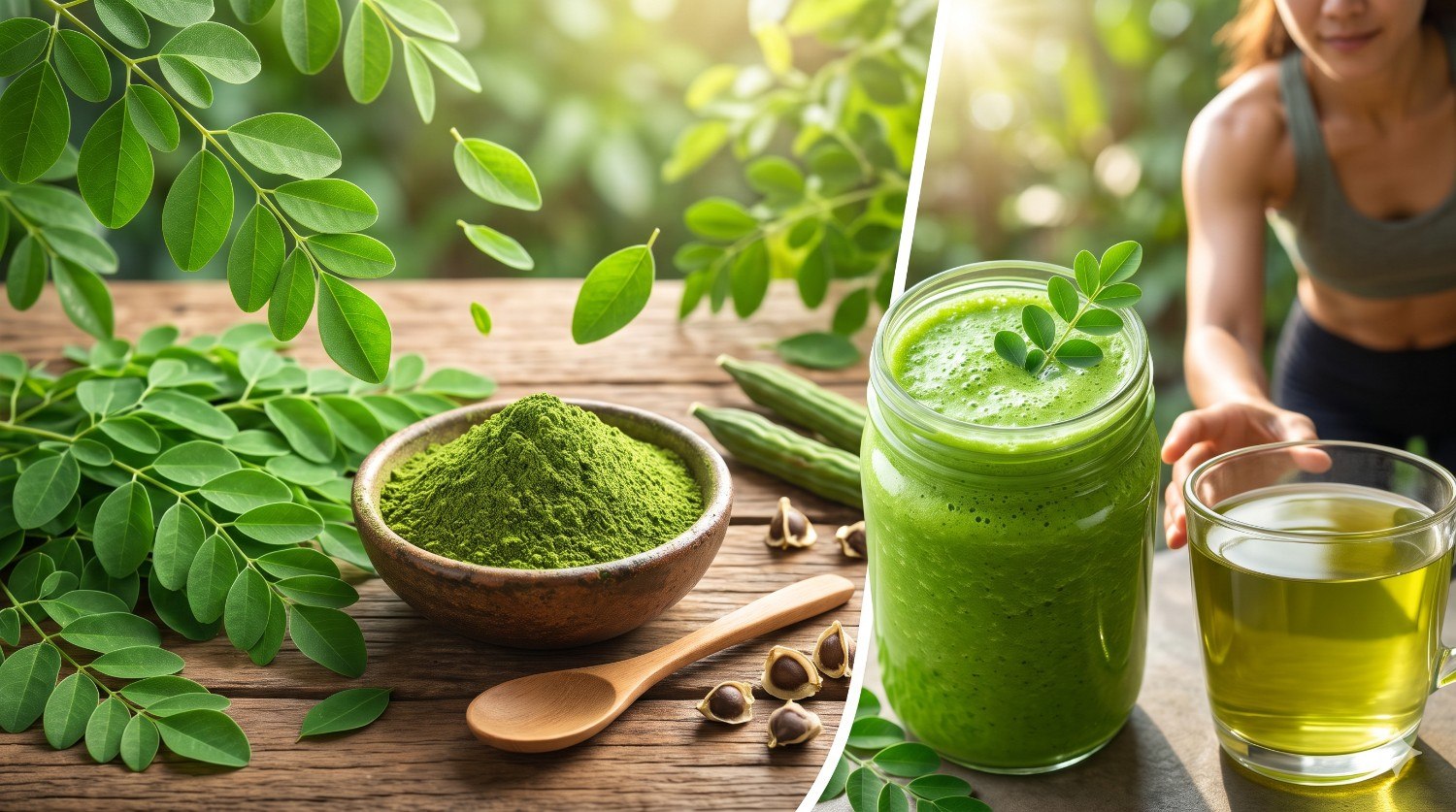
Moringa often hailed as the “Miracle Tree,” is a versatile and fast-growing tree known for its incredible nutritional, medicinal, and agricultural benefits. Originating from the sub-Himalayan tracts of India, it has become a staple in many parts of the world due to its resilience, ease of cultivation, and wide range of uses. This guide provides an in-depth look at the characteristics, benefits, varieties, and cultivation practices of Moringa, equipping you with everything you need to successfully grow this extraordinary tree.
Moringa, scientifically known as Moringa oleifera, is a drought-resistant tree that belongs to the family Moringaceae. It is revered for its high nutritional content and medicinal properties. Often referred to as the “Drumstick Tree” or “Horseradish Tree,” Moringa is a powerhouse of nutrients, providing a rich source of vitamins, minerals, and proteins. Its leaves, seeds, pods, and even bark are utilized in various forms, making it a truly multi-purpose plant.

Characteristics of Moringa
Moringa is a deciduous, fast-growing tree that can reach heights of up to 10-12 meters. It has a wide canopy with slender, drooping branches. The bark of the tree is whitish-grey, surrounded by thick cork, and young shoots often have a purplish or greenish-white hue. The tree produces creamy white flowers with a sweet fragrance, and its fruits are long, slender pods that house dark brown, globular seeds.
Moringa is highly tolerant to drought and can thrive in poor soils, making it an ideal crop for arid and semi-arid regions. Its deep root system allows it to access water and nutrients from deeper soil layers, contributing to its resilience in harsh conditions.
Benefits of Moringa
Moringa is often called a “superfood” due to its exceptional nutritional profile. Here are some key benefits of Moringa:
- Nutrient-Rich: Moringa leaves are rich in vitamins A, C, and E, calcium, potassium, and protein. They also contain essential amino acids and antioxidants, making them a valuable addition to diets, particularly in regions where malnutrition is prevalent.
- Medicinal Properties: Moringa has been used in traditional medicine for centuries. It possesses anti-inflammatory, anti-diabetic, and anti-microbial properties. The leaves, seeds, and pods are used to treat a variety of ailments, including anemia, arthritis, and digestive disorders.
- Agricultural Benefits: Moringa is not only beneficial for human consumption but also for livestock. Its leaves can be used as highly nutritious fodder for animals, boosting their health and productivity.
- Environmental Impact: Moringa can play a significant role in soil conservation and reforestation efforts. Its deep root system helps prevent soil erosion, and its fast growth makes it an excellent choice for reforestation projects.

Varieties of Moringa
There are 14 known species of Moringa, but the most commonly cultivated species are Moringa oleifera and Moringa stenopetala. In India, several improved varieties have been developed for different purposes:
- PKM-1: This is a popular variety known for its high pod yield and fast growth. It is often used for vegetable production.
- PKM-2: Another high-yielding variety, PKM-2 is also used for vegetable purposes but has a slightly longer maturity period than PKM-1.
- KM-1: This variety is developed for both fodder and vegetable purposes. It has a high leaf yield, making it suitable for livestock fodder.
- Dhanraj: This variety is known for its resistance to pests and diseases, making it a reliable choice for cultivation in challenging environments.
Uses of Moringa
Moringa’s versatility is reflected in its wide range of uses:
- Nutritional Supplement: Moringa leaves can be dried and powdered to create a nutrient-dense supplement. This powder can be added to smoothies, soups, and sauces to boost their nutritional content.
- Vegetable: The young pods of Moringa, commonly known as drumsticks, are a popular vegetable in many countries. They are often used in curries, soups, and stews.
- Medicinal Use: Moringa is used in various traditional medicine systems to treat conditions such as high blood pressure, diabetes, and skin infections. The seeds are also used to purify water due to their coagulating properties.
- Fodder: Moringa leaves are a highly nutritious fodder for livestock. They are rich in protein, vitamins, and minerals, making them an excellent feed for dairy animals.
- Cosmetics and Skincare: Moringa oil, extracted from the seeds, is used in the cosmetic industry for its moisturizing and anti-aging properties.
Cultivation of Moringa
Moringa is relatively easy to cultivate and can thrive in a variety of soil types and climatic conditions. Here’s a step-by-step guide to growing Moringa:
Soil Preparation
Moringa thrives in well-drained sandy or loamy soils with a pH range of 6.5 to 8.0. Avoid waterlogged and poorly drained soils as they can lead to root rot. Before planting, prepare the land by deep plowing, which ensures proper root penetration. Adding organic matter such as compost or farmyard manure enhances soil fertility and structure.
Propagation
Moringa can be propagated either by seeds or stem cuttings. Seed propagation is the most reliable method.
- Seed Propagation: Soak the seeds in water overnight to enhance germination. Seeds should be sown 3-4 cm deep in the soil at a spacing of 10 cm between plants and 30 cm between rows.
- Stem Cutting Propagation: Cuttings should be taken from mature, healthy trees. Each cutting should be about 1 meter long and 4-5 cm in diameter. Plant the cuttings in well-prepared soil, burying about one-third of the cutting.
Planting Season
Moringa can be planted during spring and autumn for optimal germination and seedling establishment. Avoid planting during the rainy season to prevent waterlogging, which can damage young seedlings.
Irrigation
Moringa is drought-resistant but benefits from regular watering, especially during the initial stages of growth. First, irrigate immediately after sowing, then follow up with another irrigation one week later. Subsequent irrigation can be provided every 15-20 days depending on the moisture level of the soil.
Fertilization
Moringa requires a balanced fertilization regimen to ensure optimal growth. A typical recommendation is:
- 150 kg of nitrogen
- 60 kg of phosphorus
- 40 kg of potassium
- 30 kg of sulfur
- 10 kg of zinc sulfate per hectare
Organic fertilizers such as compost or vermicompost should also be applied to improve soil health and fertility.
Weed Control
Weeds can compete with Moringa for nutrients and water, so it’s important to control them effectively. Use a pre-emergence herbicide like Pendimethalin at the rate of 1.25 liters per hectare immediately after sowing. Regular hand weeding or hoeing every 25-30 days is also recommended.
Pest and Disease Management
Moringa is relatively resistant to pests and diseases. However, common pests like leaf-eating caterpillars can affect the crop during the spring and summer. Bio-pesticides, such as neem seed kernel extract, can be used to control these pests.
Harvesting
Moringa can be harvested for various purposes:
- Fodder: The first harvest for fodder can be done 85-90 days after sowing. Cut the plants at 30 cm above the ground level to promote regrowth. Subsequent harvests can be made every 60 days.
- Pods: For vegetable purposes, pods can be harvested when they are still tender and green. This typically occurs 6-8 months after planting.

Post-Harvest Management
After harvesting, Moringa leaves should be dried in the shade to preserve their nutritional content before processing into powder. If harvesting for fodder, the green material should be chaffed into small pieces before feeding to livestock.
The Potential of Moringa
Moringa is a truly remarkable tree that offers a plethora of benefits, from nutrition and medicine to agriculture and environmental conservation. Its ease of cultivation and adaptability to various climates make it a valuable crop for both small-scale and large-scale farmers. By following the cultivation practices outlined in this guide, you can successfully grow Moringa and contribute to a sustainable and nutritious food system.
Moringa’s potential as a food source, medicinal plant, and fodder crop cannot be overstated. Its ability to grow in challenging conditions and provide year-round benefits makes it a tree of the future, essential for ensuring food security and improving livelihoods around the world. Whether you are a farmer looking to diversify your crops or someone interested in sustainable agriculture, Moringa offers endless possibilities.
Reference articles
https://kvktumakuru2.icar.gov.in/drumstick/
https://icar.org.in/drumstick-cultivation-example-gujarat-turning-poor-farmer-millionaire
 Connect With Us
Thinking about starting your own Moringa Cultivation growing them in your backyard? Our experts can guide you with the best practices, from choosing the right variety to managing optimal spacing, preventing common plant diseases, and maximizing your bloom potential. Share your experiences, ask questions, and join our community of passionate flower growers. Let’s grow together!
 Need Personalized Advice?
For further guidance, queries, or a one-to-one consultation with our agricultural experts, please feel free to email us or reach out directly at http://www.agrigo247.in.
Leave a Reply