
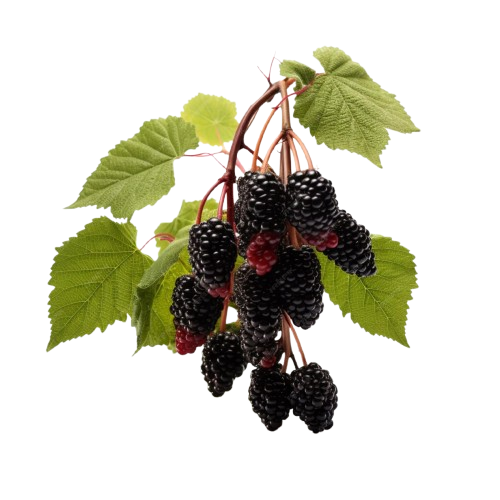
Mulberry cultivation is a rewarding venture that provides numerous benefits, including the production of high-quality silk. Mulberry leaves are the primary food source for silkworms, making this crop vital to the sericulture industry. This guide will walk you through the entire process of mulberry cultivation, from understanding the plant and its varieties to soil preparation, planting, maintenance, and harvesting.
What is Mulberry Cultivation?

Mulberry (Morus spp.) is a versatile and hardy plant, known for its ability to thrive in various climatic and soil conditions. Although it is capable of growing without intensive care, maximizing the yield and quality of mulberry leaves requires a structured approach to cultivation. Proper care ensures a continuous supply of fresh, nutrient-rich leaves, which are crucial for optimal silkworm rearing and high-quality silk production.
Mulberry trees also offer benefits beyond sericulture. The leaves have medicinal properties and the fruits are packed with nutrients. In recent years, the cultivation of mulberry has gained popularity among farmers due to its diverse benefits and its role in boosting income, especially in regions where sericulture is prominent.
Varieties of Mulberry
Mulberry varieties can vary based on climatic adaptation, leaf yield, and leaf quality. Choosing the right variety suited to your region’s climate and soil conditions is crucial for successful cultivation. Some notable varieties include:
Kanva-2 (M5)
An improved variety known for its vigorous growth, it responds well to manuring and can produce up to 25% more leaf yield compared to local varieties. Kanva-2 is popular in South India and is suitable for rainfed and irrigated conditions.
S-54
This variety is widely cultivated in tropical regions due to its high leaf yield and quality, making it ideal for silkworm rearing.
V1
It is known for its high-quality leaves, and V1 is suited for intensive cultivation under irrigated conditions. It can yield up to 60,000 kg of leaves per hectare per year.
Local Varieties
Depending on your region, local varieties may offer certain advantages, such as better adaptation to local soil and climate conditions.
Benefits of Mulberry Cultivation
Mulberry cultivation provides multiple benefits, making it an attractive option for farmers:
Income Generation
Mulberry leaves are the sole food source for silkworms, so a consistent supply guarantees a steady income through the production of high-quality cocoons for silk production.
Versatility
Mulberry plants can be cultivated in various types of soil and climatic conditions, from rainfed to irrigated lands, providing flexibility for farmers.
Health Benefits
Beyond sericulture, mulberry leaves are used in traditional medicine to treat various ailments, and mulberry fruits are rich in vitamins and minerals.
Sustainability
Mulberry is a perennial crop that, once established, can provide yields for over 15 years, reducing the need for frequent replanting and lowering long-term cultivation costs.
Mulberry cultivation
Soil and Climatic Requirements
Mulberry can grow in a wide range of soils, but the best results are obtained in loamy to clayey loam soils. The soil should be deep, up to about two feet, to support the plant’s deep root system. For optimal growth, mulberry prefers slightly acidic to neutral soil pH (5.5 to 7.0). Corrective measures such as the application of lime or gypsum can be adopted if the soil is too acidic or alkaline.
Land Preparation
Proper land preparation is key to establishing a productive mulberry garden. Deep plowing with a heavy plow to a depth of 12-15 inches is recommended to loosen the soil. This should be followed by leveling the land and incorporating organic manure, like compost or cattle manure, at the rate of 10-20 tonnes per hectare. For rainfed mulberry, it is essential to apply organic manure to enhance the soil’s fertility, ensuring successful plant establishment.
Planting Mulberry
Spacing and Pit Preparation
Rainfed Mulberry
Use a pit system with a spacing of 3 feet by 3 feet (0.9 m x 0.9 m). The pits should be 1.5 feet wide and deep, filled with soil mixed with organic manure.
Irrigated Mulberry
Use a row system with a closer spacing of 2 feet between rows and 9-10 inches within rows. This system allows for maximum leaf yield and quality, provided irrigation is assured.
Planting Material
Mulberry is generally propagated through cuttings. Select healthy, mature branches (4-8 months old) with a thickness of at least 0.5 inches and a length of 7-8 inches. Ensure that the cuttings have at least three buds and avoid planting thin, immature, or green cuttings, as these have a lower success rate. Cuttings can be planted directly in the prepared pits or ridges, ensuring that only one inch of the cutting is exposed above the soil.
Manuring and Fertilization
Rainfed Mulberry
Apply organic manure (compost or cattle manure) at the rate of 10 tonnes per hectare.
Use nitrogenous fertilizers like Ammonium Sulphate or Urea. Apply 25 kg N/ha after 2-3 months of growth and another 40 kg N/ha three months later to encourage vigorous growth.
Irrigated Mulberry
Apply organic manure at 20 tonnes per hectare annually.
Use chemical fertilizers such as NPK (17:17:17) complex fertilizers. The total annual requirement is around 300 kg N, 120 kg P, and 120 kg K per hectare. Split the fertilization into 5-6 doses throughout the year.
Weeding and Inter-cultivation
Regular weeding is essential, especially during the first year. This involves thorough soil loosening to remove weeds and enhance soil aeration, promoting better plant growth. In irrigated gardens, inter-cultivation should be carried out after each pruning to maintain soil health and water retention.
Irrigation
For irrigated mulberry, proper watering is critical. During the dry season, irrigation is provided every 7-10 days, depending on soil type. Light, frequent watering should be avoided, as deep irrigation encourages the development of a strong root system.
Pruning and Harvesting
Rainfed Mulberry
Perform one annual pruning in June to maintain plant vigor and stimulate new growth.
Begin leaf harvest about 2.5 months after pruning and continue with 6 harvests annually.
Irrigated Mulberry
For row systems, prune plants at a height of 1-3 inches above the ground every 2.5 months, combining pruning with leaf harvesting.
For pit systems, individual leaf picking is used, and harvest is done 6 times a year.
Leaf Quality and Yield
The aim is to produce full-grown, lush green leaves with high nutritional value. Proper fertilization, irrigation, and pest control are vital to maintaining leaf quality. Under optimal conditions, irrigated mulberry can yield 25,000-30,000 kg of leaves per hectare per year. Rainfed systems can produce up to 7,000-8,000 kg per hectare annually when best practices are followed.
Products from mulberry cultivation
Mulberry Leaves
Mulberry leaves are primarily used in sericulture (silk farming) as the main food source for silkworms, which is crucial for high-quality silk production. Beyond silk farming, mulberry leaves offer other significant uses
Tea Production
Dried mulberry leaves are used to make a tea rich in antioxidants, beneficial for regulating blood sugar levels and boosting immunity.
Animal Feed
High in protein, mulberry leaves serve as nutritious feed for livestock, such as cattle, goats, and sheep. They can be used fresh, dried, or preserved as silage.
Herbal Medicine
Traditional medicine uses mulberry leaves for their anti-inflammatory, anti-diabetic, and cholesterol-lowering properties. They are included in herbal supplements to manage diabetes and other health conditions.
Mulberry Fruits (Mulberries)
Mulberries are nutritious and can be consumed fresh or processed into various products
Fresh Consumption
Packed with vitamins (C, iron, potassium) and antioxidants, mulberries are a healthy snack.
Juices and Beverages
Used to make mulberry juice, smoothies, or fermented into mulberry wine.
Jams and Preserves
With their natural sweetness and flavor, mulberries are excellent for making jams, jellies, and preserves.
Dried Mulberries
Can be dried and consumed as snacks or added to cereals and baked goods.
Mulberry Syrup
Boiling mulberries with sugar creates a delicious syrup for desserts and pancakes.
Mulberry Leaf Extracts
Processed mulberry leaf extracts have multiple benefits:
Cosmetics and Skincare
Rich in antioxidants, mulberry leaf extracts are popular in skincare products to reduce pigmentation and protect against free radicals.
Supplements
Used in dietary supplements for blood sugar regulation, cardiovascular health, and immune support.
Mulberry Wine and Vinegar
Mulberry Wine
Made by fermenting mulberry juice, offering a rich flavor and antioxidant benefits.
Mulberry Vinegar
Fermented mulberries create vinegar used in cooking and as a health tonic.
Connect with Us.
Every step, from planting to processing, shapes your success. With the right methods, your mulberries can thrive. At Agrigo24/7, we’re here to guide you with expert advice and innovative solutions. Let’s grow a prosperous future together.
Leave a Reply