
Importance of Water
Water is life. Farmers, gardeners, and land managers know this truth well. Yet, water is also scarce. Climate change, population growth, and modern farming place heavy stress on water supplies. Because of this, saving water has become a top goal in agriculture and gardening.
One proven method is mulching. This natural technique saves water, improves soil, and supports plants. Mulching is simple, low-cost, and effective. Moreover, it works in almost all climates and regions. In this guide, we will explore mulching in detail. We will see how it works, why it matters, and how to use it worldwide.
What is Mulching?
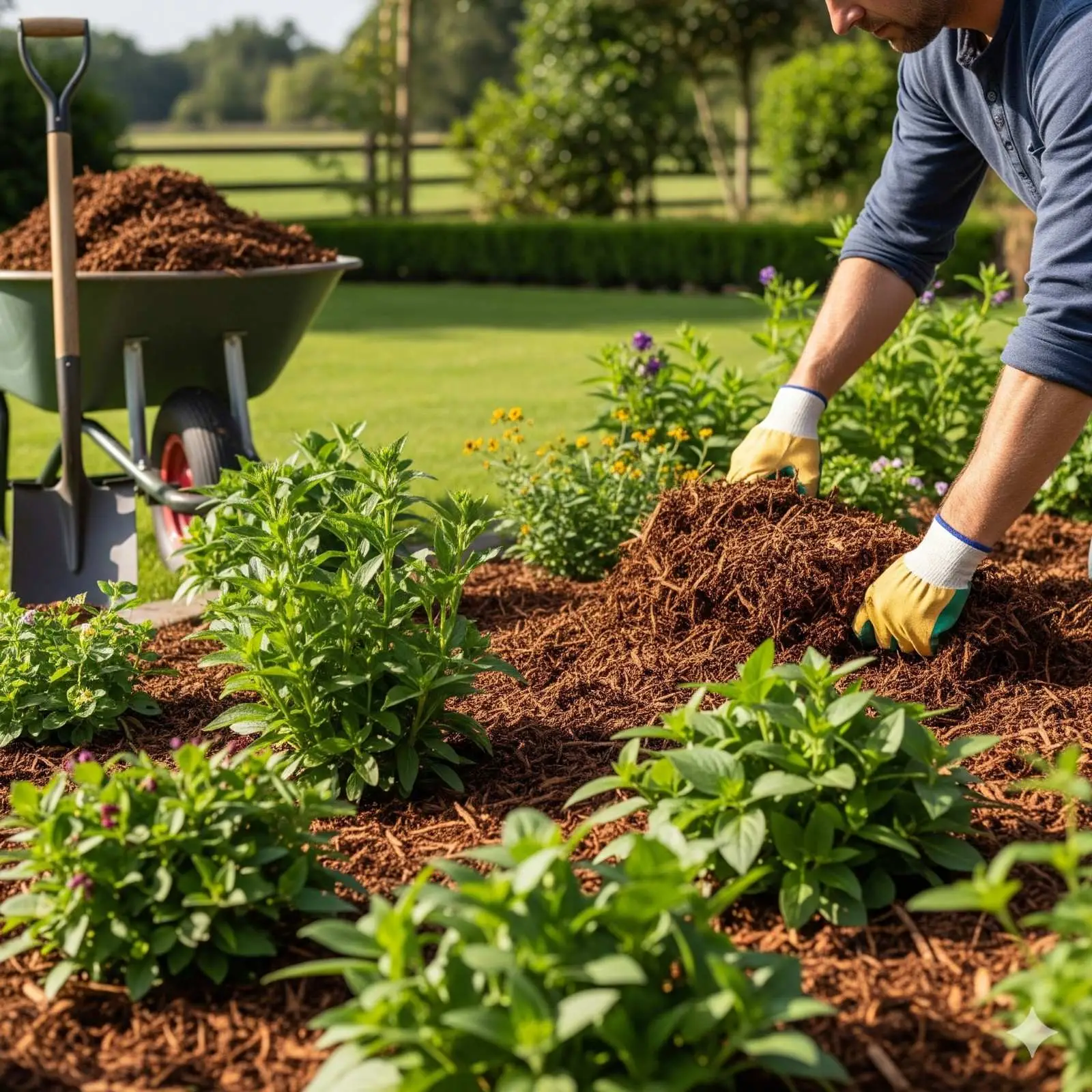
Mulching means covering the soil surface with a layer of material. This material may be natural or synthetic. Examples include straw, leaves, compost, wood chips, plastic sheets, or even stones. Farmers, gardeners, and landscapers use mulch to protect soil and plants.
When soil stays covered, it holds more water. It also stays cooler, which reduces stress for plants. Moreover, mulching reduces weeds, prevents erosion, and adds nutrients if organic materials are used.


Why Mulching Matters Today
Water shortages affect millions. Agriculture uses about 70% of all freshwater globally. However, much of this water is wasted through evaporation, runoff, and poor practices. Mulching directly reduces evaporation losses. As a result, plants can thrive with less irrigation.
At the same time, soil health is under threat. Modern farming often strips soil of organic matter. Mulching rebuilds soil health and fertility. Thus, mulching saves both water and soil.
Types of Mulch
1. Organic Mulch
Organic mulch comes from natural sources. Common types include:
- Straw and hay
- Grass clippings
- Dry leaves
- Compost
- Bark and wood chips
- Coconut husk or coir
These materials slowly break down. While they decompose, they add nutrients to the soil. Moreover, organic mulches improve soil structure and water-holding capacity.
2. Inorganic Mulch
Inorganic mulches do not break down quickly. Examples include:
- Plastic sheets (black, silver, or transparent)
- Gravel and stones
- Landscape fabric
Although inorganic mulches do not enrich soil, they reduce evaporation and control weeds. Plastic mulch, in particular, is common in commercial farming.
How Mulching Saves Water
Mulching saves water in many ways.
- Reduces Evaporation – Bare soil loses water quickly. Mulch creates a barrier that traps moisture in the soil.
- Improves Infiltration – Mulch slows down rainwater runoff. Water enters the soil more easily.
- Prevents Soil Crust – Exposed soil often hardens after rain. Mulch prevents crust formation, so water seeps in better.
- Maintains Soil Temperature – Hot soil dries fast. Mulch keeps soil cool, so water stays longer.
- Reduces Irrigation Need – Because soil retains water, farmers and gardeners can irrigate less often.
Global Examples of Mulching
Mulching is not new. Many cultures have used it for centuries.
- China – Farmers use straw mulch for rice, maize, and vegetables. It helps conserve water and boosts yields.
- United States – Plastic mulch is widely used in vegetable farming. It reduces water use and supports mechanized farming.
- India – Coconut husks and sugarcane leaves serve as natural mulch in tropical farms. They save water and recycle waste.
- Africa – Smallholder farmers use dry leaves and crop residues as mulch. This helps fight drought and desertification.
- Europe – Gardeners prefer bark mulch and compost for both water saving and soil health.
Benefits Beyond Water Saving
1. Weed Control
Weeds compete with crops for water and nutrients. Mulch blocks sunlight from reaching weed seeds. As a result, fewer weeds grow.
2. Soil Fertility
Organic mulch decomposes slowly. Over time, it adds carbon and nutrients to soil. This supports long-term fertility.
3. Soil Erosion Control
Wind and rain erode bare soil. Mulch holds soil in place, especially on slopes.
4. Root Protection
Plant roots need a stable environment. Mulch shields roots from heat and cold.
5. Better Crop Yield
With less water stress and healthier soil, crops grow better. Studies show that mulched crops often produce higher yields.
How to Apply Mulch
Step 1: Prepare the Soil
First, remove weeds from the soil surface. Loosen the soil lightly for better air and water movement.
Step 2: Choose Mulch Material
Pick mulch based on your goals. For water saving and soil health, organic mulch is best. For weed control and large farms, plastic mulch may work better.
Step 3: Spread the Mulch
Apply a uniform layer. Keep it 5–10 cm thick for organic mulch. For plastic mulch, cover the bed tightly and punch holes for plants.
Step 4: Maintain the Mulch
Check mulch often. Reapply organic materials when they break down. Remove damaged plastic to prevent pollution.
Challenges of Mulching
Although mulching is useful, it also has challenges.
- Cost of Material – Inorganic mulch, like plastic may be expensive.
- Labor Needs – Applying mulch requires time and effort.
- Pest Issues – Sometimes mulch shelters pests like slugs or termites.
- Plastic Waste – If not managed, plastic mulch pollutes soil and water.
- Excess Moisture – Thick mulch may hold too much water and cause rot.
Farmers and gardeners must manage these challenges carefully.
Mulching in Different Farming Systems
Small Farms
On small farms, crop residues, leaves, and compost serve as mulch. This method is cheap and effective.
Commercial Farms
Large farms often use plastic mulch. Machines apply and remove sheets quickly. This saves time and labor.
Organic Farming
Organic farmers use straw, hay, and compost. These add fertility and fit organic standards.
Urban Gardening
City gardeners often use bark chips, shredded leaves, or fabric mulch. These materials improve both beauty and water saving.
Environmental Impact of Mulching
Mulching supports sustainability in many ways.
- Reduces water use in drought-prone areas
- Cuts down chemical use by controlling weeds naturally
- Recycles farm waste like straw, husks, and leaves
- Lowers soil erosion, protecting rivers and lakes
- Enhances biodiversity in the soil
However, plastic mulch can harm the environment if not recycled. Thus, biodegradable mulch is gaining interest worldwide.
Future of Mulching
Mulching is likely to grow more important. Climate change will increase water stress. Farmers, gardeners, and city planners will need water-saving solutions. Biodegradable mulches, such as films made from starch or plant fibers, are promising. They combine the benefits of plastic with eco-friendly features.
At the same time, research shows that mulch can cut irrigation by up to 50%. With global water scarcity, mulching may become a standard practice in both farms and gardens.
Tips for Successful Mulching
- Always choose locally available mulch to cut costs.
- Avoid fresh materials that may tie up nitrogen, like fresh sawdust.
- Keep mulch away from direct contact with plant stems to prevent rot.
- Use lighter mulch in wet climates and thicker mulch in dry areas.
- Mix different mulch types for best results.
Conclusion
Mulching is a simple yet powerful way to save water. It reduces evaporation, improves soil, and boosts crop yields. Moreover, it fits into almost every farming and gardening system. With water scarcity rising worldwide, mulching offers a sustainable solution.
By choosing the right materials and applying them well, farmers and gardeners can save water, enrich soil, and grow healthier crops. In short, mulching is not just a technique. It is a path toward sustainable farming and food security for the world.
Connect with us
We truly value your interest and look forward to connecting with you. Whether you have questions, need tailored solutions, or wish to explore collaboration, we are here to help. Reach out today — our team is ready to provide expert guidance and meaningful support. Wishing you a bountiful harvest with mulching. For further assistance, email us. Please feel free to reach out to us @Agrigo24/7.
References
https://www.fao.org/family-farming/detail/en/c/1617795/
https://bnrc.springeropen.com/articles/10.1186/s42269-020-00290-3
https://www.mdpi.com/2073-4395/12/8/1881
FAQs
- How much mulch should I apply?
A layer of 5–10 cm works well for most crops. - Can mulch cause pests?
Yes, sometimes. But regular checking reduces risks. - Does mulching work in cold climates?
Yes. In cold areas, mulch keeps soil warmer and protects roots. - Which mulch is best for vegetables?
Straw, compost, or black plastic work well. - Is mulching suitable for all crops?
Almost all crops benefit, though the type of mulch may differ. - How does mulch improve soil?
Organic mulch breaks down slowly and adds nutrients.
Leave a Reply