
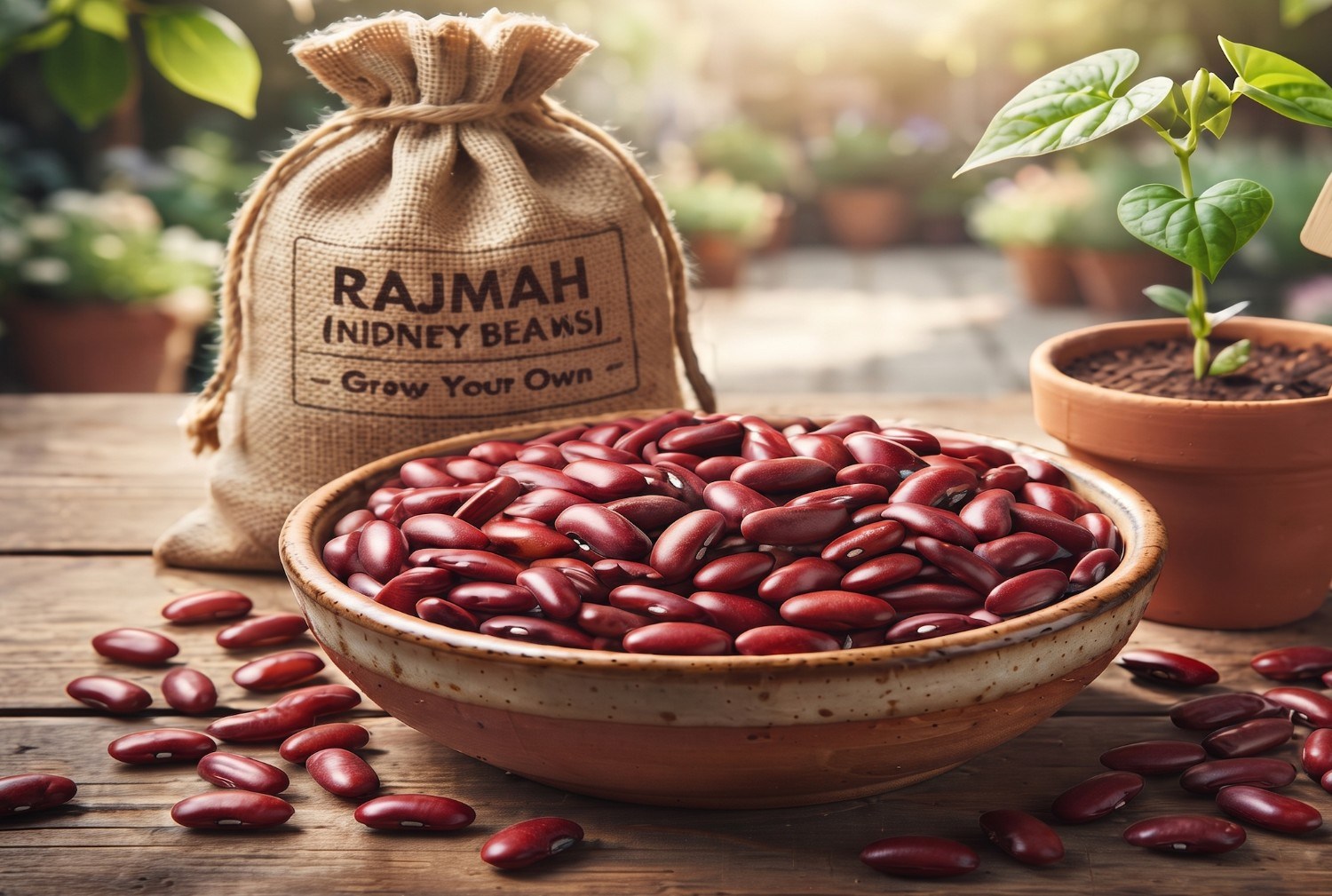
Rajmah, also known as kidney beans, is a vital pulse crop in India. It is known for its high protein content and significant contribution to agricultural income. This guide provides an in-depth look into the cultivation of Rajmah, addressing Indian farmers with detailed insights on how to maximize yield and ensure sustainable farming practices. By understanding the best agricultural practices, Indian farmers can enhance both the quantity and quality of their Rajmah produce, thereby improving their livelihoods and contributing to the nation’s food security.

Importance and Nutritional Value
Rajmah, scientifically known as Phaseolus vulgaris, is a staple in Indian cuisine, especially in North India. It is a rich source of protein (22.9%), carbohydrates (60.6%), and essential minerals like calcium (260 mg/100g) and iron (5.8 mg/100g). The high protein content makes Rajmah an excellent meat substitute, which is particularly beneficial in vegetarian diets prevalent in many parts of India. The cultivation of Rajmah not only meets dietary needs but also plays a crucial role in soil health and fertility through nitrogen fixation. This process improves soil structure and reduces the need for chemical fertilizers, making rajmah a sustainable crop choice.
Nutritive value
| Protein | 22.9% |
| Fat | 1.3% |
| Carbohydrate | 60.6% |
| Calcium | 260 mg/100g |
| Phosphorus | 410 mg/100g |
| Iron | 5.8 mg/100g |
Varieties and State-wise Recommendations
Different states in India have developed specific varieties of Rajmah to suit their climatic conditions:
- Uttar Pradesh: HUR-137, Malviya Rajmash-137
- Maharashtra: Varun (ACPR-94040), HPR-35
- Bihar: IPR 96-4 (Amber)
- Rajasthan: Ankur
- Karnataka: Arka Anup
- Gujarat: Gujarat Rajma-1
- Uttarakhand: VL Rajmash 125, VL Bean-2
These varieties are recommended based on yield potential and resistance to local pests and diseases. Choosing the right variety for your region is crucial as it directly affects the crop’s resilience and productivity.
Climate and Soil Requirements
Climate
Rajmah thrives in regions with moderate temperatures, ideally between 10°C to 27°C. It is highly sensitive to extreme temperatures—above 30°C causes flower drop, while temperatures below 5°C can damage flowers and developing pods. In India, it is traditionally grown during the kharif season in the hills and during rabi in the plains, where better management practices can significantly increase yields. Ensuring the right climatic conditions can lead to healthier plants and higher yields, making climate considerations a key factor in planning your cultivation cycle.
Soil
The crop can be cultivated in various soil types, from light loamy sand to heavy clay soils, provided they have adequate moisture and are free from excessive soluble salts. Neutral to slightly acidic soils are preferred. Proper field preparation includes thorough ploughing, harrowing, and planking to create a friable, compact seedbed. Ensuring the soil is well-drained and fertile can greatly enhance the growth and productivity of the rajmah plants.
Sowing and Seed Management
Sowing Time
- Kharif (Hills): Last week of June to the first week of July
- Rabi (Plains): Second fortnight of October
- Spring (Lower Hills): Second fortnight of March
Proper timing of sowing is crucial as it aligns with the climatic conditions necessary for optimal growth. Sowing at the right time ensures that the plants can take full advantage of the growing season, leading to better yields and healthier crops.
Seed Rate and Spacing
- Kharif (Hills): 45-50 cm x 8-10 cm
- Rabi & Spring (Plains): 40 cm x 10 cm (irrigated); 30 cm x 10 cm (rain-fed)
- Seed Rate: 100-125 kg/ha
Maintaining the correct seed rate and spacing is essential to avoid overcrowding, which can lead to competition for resources and result in lower yields. Proper spacing also helps in better air circulation and reduces the incidence of pests and diseases.
Cropping Systems and Nutrient Management
Cropping Systems
In the hills, rajmah is often intercropped with maize in a 1:2 ratio. In plains, it is grown as a spring season crop following potato and mustard harvests. Rajmah is also suitable for intercropping with early potatoes due to its high nitrogen requirements and compatibility with wet moisture regimes. Intercropping not only maximizes the use of available land but also helps in managing soil fertility and pest control.
Nutrient Management
Rajmah requires relatively high nitrogen due to its poor nodulation capabilities. Application of 90-120 kg N/ha is recommended, with half applied during sowing and the rest after the first irrigation. Phosphorus application at 60-80 kg P2O5/ha has shown significant positive effects on yield. Proper nutrient management ensures that the plants receive all the essential nutrients required for their growth, leading to better yields and healthier crops. Rajmah can be intercropped with aromatics like basil which also helps in pest control, and also corn, lemon balm also shows good production while grown together with rajmah.
Water Management
Rajmah is highly responsive to irrigation. It requires 2 to 3 irrigations in the North-East Plains Zone (NEPZ) and 3 to 4 irrigations in the Central Zone (CZ) for optimal productivity. Critical irrigation periods are at 25 days and 75 days after sowing. Proper water management is crucial as both water stress and waterlogging can adversely affect the crop. Ensuring timely and adequate irrigation can lead to higher yields and better-quality produce.
Weed and Pest Management
Weed Management
One-hand weeding at 30-35 days after sowing or the application of pre-emergence herbicide like pendimethalin (0.75 to 1 kg a.i./ha) immediately after sowing helps control weed growth below the Economic Threshold Level (ETL). Weeds compete with the main crop for nutrients, water, and light, so effective weed management is crucial for healthy crop growth.
Pest Management
Common Pests and Control Measures:
- Leaf Miner: Spray Oxydemeton methyl (Metasystox) 1 ml/litre of water; use neem products and destroy mined leaves.
- Stem Fly: Seed treatment with Chlorphyriphos (8 ml/kg seed) and soil application of Phorate 10G (10 kg/ha).
- Black Aphids: Release of Coccinella septempunctata (1000 adults/400 sqm) and spraying Dimethoate or Oxydemeton methyl (1 ml/litre).
Common Diseases and Control Measures:
- Anthracnose: Seed treatment with Carbendazim & Thirum; spray Mancozeb (0.25%) or Carbendazim (0.1%).
- Stem Blight: Foliar spray of Carbendazim (0.2%); timely sowing and planting in well-drained soil.
- Angular Leaf Spot: Seed treatment with Carbendazim (2-3 g/kg of seeds); foliar spray of Carbendazim (0.1%).
Effective pest and disease management ensures that the plants remain healthy throughout their growth cycle, leading to higher yields and better-quality produce.
Harvesting and Post-Harvest Management

Rajmah matures in 125-130 days. The crop is harvested when the plants show severe leaf fall, pod colour changes, and grain hardness. After harvesting, the plants are sun-dried for 3-4 days before threshing. Threshing is done by beating with sticks or trampling under the feet of bullocks. Clean seeds are further dried to achieve a moisture content of 9-10%.
Proper post-harvest management is crucial for maintaining the quality of the produce. Ensuring the seeds are adequately dried prevents spoilage and maintains their viability for future planting or market sale.
Yield
Under optimal conditions, rajmah can yield 20-25 quintals/ha in irrigated plains and 5-10 quintals/ha in rain-fed hilly areas. Additionally, it provides 40-50 quintals/ha of straw, which is valuable as cattle feed. The yield can be significantly improved by adopting the recommended agronomic practices and ensuring timely management of nutrients, water, pests, and diseases.
Recommendations for Higher Production
- Deep Summer Ploughing: Conduct once in three years to break the hardpan and improve soil aeration.
- Seed Treatment: Always treat seeds with appropriate fungicides and insecticides before sowing to protect against soil-borne diseases and pests.
- Fertilizer Application: Apply fertilizers based on soil test values to provide balanced nutrition to the plants.
- Timely Weed Control: Implement weed control measures at the right growth stages to prevent competition for resources.
- Integrated Plant Protection: Adopt comprehensive pest and disease management strategies, including biological control methods.
Following these recommendations can lead to significant improvements in yield and quality of the produce, thereby enhancing the overall profitability of rajmah cultivation.
Conclusion
Rajmah cultivation in India holds immense potential for enhancing farmers’ income and ensuring food security. By adopting improved varieties, following recommended agronomic practices, and implementing integrated pest and nutrient management, farmers can achieve high yields and sustainable production. The economic and nutritional benefits of rajmah make it a crucial crop in the Indian agricultural landscape. Moreover, rajmah’s ability to fix nitrogen in the soil makes it an excellent choice for crop rotation and intercropping, contributing to sustainable farming practices.
Key Takeaways
- Varietal Selection: Choose state-recommended varieties for optimal yield and resistance to local pests and diseases.
- Climate and Soil: Ensure suitable temperature and soil conditions for growth, with proper field preparation and soil management.
- Sowing Practices: Follow correct sowing times and spacing for different regions to avoid overcrowding and ensure healthy plant growth.
- Nutrient Management: Apply appropriate levels of nitrogen and phosphorus based on soil tests to meet the crop’s nutritional requirements.
- Water Management: Implement timely irrigations, especially during critical growth stages, to avoid water stress and ensure optimal growth.
- Weed and Pest Control: Use integrated methods for managing weeds and pests, including chemical, biological, and cultural practices.
- Harvesting: Harvest at the right maturity stage and follow proper post-harvest practices to maintain the quality of the produce.
- Economic Benefits: Rajmah offers significant returns due to its high market demand and nutritional value, contributing to farmers’ income and soil health through nitrogen fixation.
By adhering to these guidelines, Indian farmers can maximise their rajmah production, ensuring high yields and quality produce, ultimately leading to better market returns and improved livelihoods. Rajmah cultivation, with its numerous benefits, stands as a promising venture for Indian agriculture, fostering sustainable practices and economic growth.
Connect with Us
Wishing you a bountiful and prosperous Rajmah harvest! For further assistance or any queries E-mail us, please feel free to reach out to your local agricultural experts @ Agrigo 24/7
Leave a Reply