
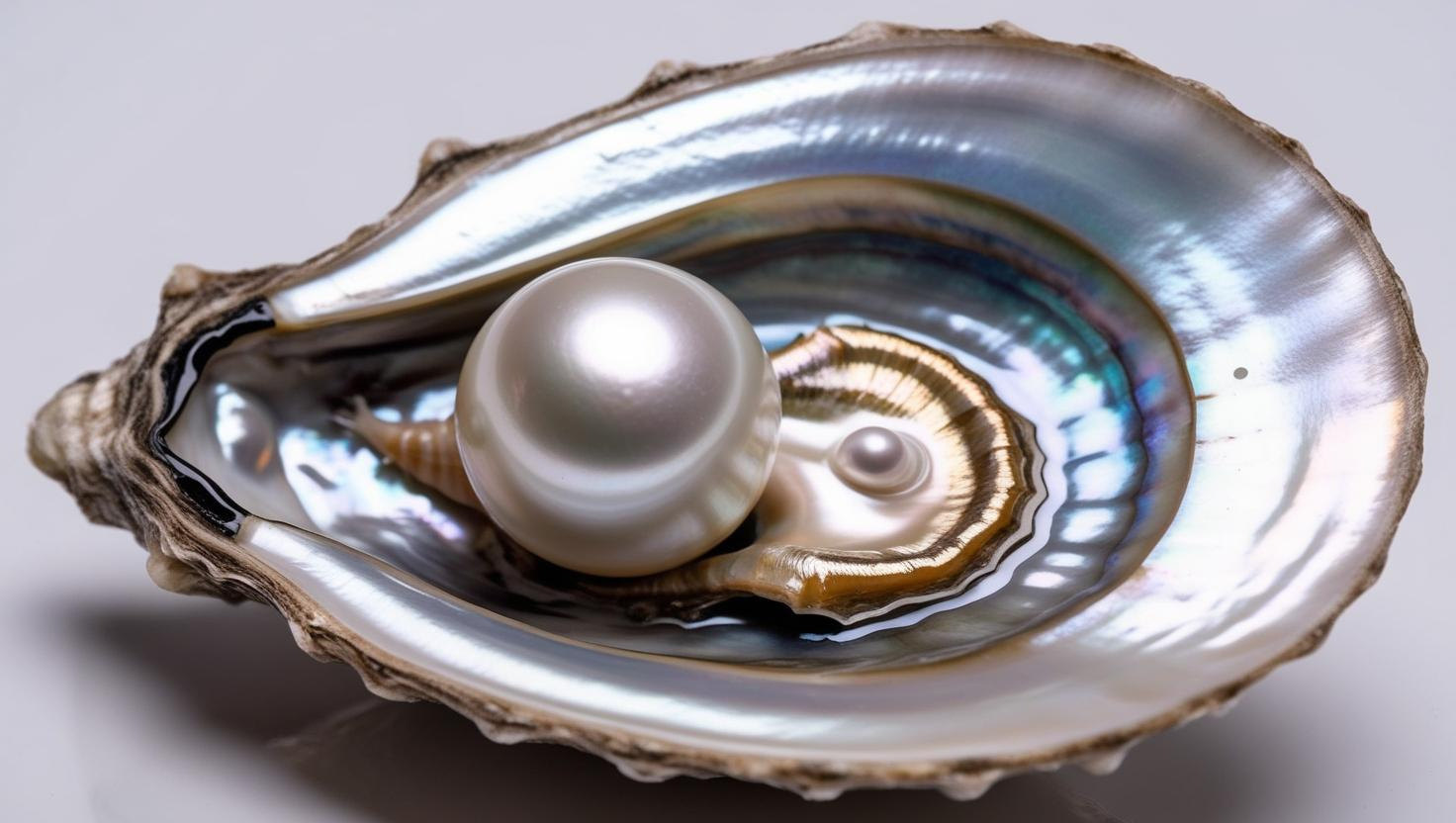
The Culture of Freshwater Pearls: A Comprehensive Guide
Pearls are among the most treasured gemstones, admired for their natural luster and timeless elegance. These exquisite gems are formed by mollusks, primarily marine pearl oysters and freshwater mussels. Unlike marine pearls, freshwater pearls develop in lakes, ponds, and rivers, making them more sustainable and widely available. Any bivalve or mussel with a shiny inner shell has the potential to create pearls.
In recent years, freshwater pearl farming has emerged as an eco-friendly and lucrative aquaculture venture. With rising demand in the jewelry market, advancements in cultivation techniques have revolutionized pearl farming, making it a booming global industry.
This guide will explore the fascinating world of freshwater pearl cultivation, from formation to farming techniques, market trends, and sustainability practices. Whether you’re a pearl farmer, jewelry enthusiast, or eco-conscious consumer, this guide will provide valuable insights into the freshwater pearl industry.
How Are Freshwater Pearls Formed?
Pearl formation begins when a foreign particle enters a mollusk’s body, either naturally or through human intervention. This irritant triggers the mollusk to secrete layers of nacre (a combination of calcium carbonate and conchiolin), which hardens over time to form a pearl. The shape and size of the pearl depend on the type of nucleus implanted inside the mollusk.
Mollusks use nacre secretion as a defense mechanism to protect their soft tissues from irritation. The pearl formation process can take anywhere from a few months to several years, depending on environmental factors and mussel species. Pearl farmers leverage this natural phenomenon using surgical implantation techniques to ensure high-quality pearls.
Types of Freshwater Pearl-Producing Mussels
Several freshwater mussel species are capable of producing pearls. The most commonly used include:
- Lamellidens marginalis – The most important species, known for producing larger pearls; widely distributed in freshwater ecosystems.
- Lamellidens corrianus – A secondary species with moderate pearl production capacity.
- Parreysia species – Less frequently used but still capable of forming pearls.
Each species has unique growth rates, shell characteristics, and pearl-forming abilities. Choosing the right mussel species is crucial for optimizing pearl quality and farm yield.
Step-by-Step Guide to Freshwater Pearl Cultivation
1. Collection of Mussels
Healthy mussels are manually collected from natural water bodies.
The ideal size for pearl culture is over 8 cm in length, ensuring they are mature enough to withstand implantation and pearl development.
Sustainable methods such as dredging, handpicking, or netting are used to prevent the depletion of natural populations.
2. Pre-Operative Conditioning
Mussels are placed in aged tap water at one mussel per liter for 2–3 days.
This process relaxes their abductor muscles, making surgical handling easier and reducing stress, which improves survival and pearl quality.
Mussels are inspected for disease, weakness, or shell damage. Only the healthiest specimens are selected for implantation.
3. Materials Required for Implantation
Surgical Kit – Includes fine instruments such as speculums, spatulas, and knives for precision surgery.
Nuclei Beads – Varying shapes and sizes, depending on the desired pearl type.
Selected Mussel Species – The healthiest mussels are used to maximize yield and quality.
4. Implantation Techniques
Three main surgical implantation techniques are used in freshwater pearl farming:
a. Mantle Cavity Implantation
Most successful and widely used technique.
Produces half-round, designer, or shell-attached pearls.
A small incision is made in the mantle cavity, where the nucleus is placed.
Ensures high success rates and smooth pearl surfaces.
b. Mantle Tissue Implantation
Involves inserting mantle tissue grafts from a donor mussel into the recipient mussel.
Can be non-nucleated (only the graft is inserted) or nucleated (a graft and a nucleus are inserted).
Commonly used for baroque pearls, which have organic and unique shapes.
c. Gonadal Implantation
Used to produce perfectly round pearls.
A small incision is made in the gonad, and the nucleus is carefully inserted.
Requires high surgical precision and post-operative care.
5. Post-Operative Care
Mussels are placed in antibiotic-treated water containing chloramphenicol to prevent infections.
After 3–4 days, they are transferred to phytoplankton-rich green water for recovery.
Dead mussels are removed immediately to avoid contamination.
Maintaining proper aeration and water quality is essential for successful pearl formation.
6. Pond Culture & Maintenance
Mussels are kept in nylon bags and suspended 1 meter deep in the water.
Stocking density: 25,000 mussels per acre.
The pond is fertilized with organic and inorganic manure to promote plankton growth, a natural food source for mussels.
Maintaining optimal water quality, temperature, and pH levels is essential for pearl development.
7. Harvesting and Post-Harvest Processing
Pearls are harvested after 12–18 months.
Extracted pearls undergo chemical treatments to enhance their color, shine, and market value.
Pearls are sorted, graded, and classified based on their shape, size, and quality before being sold.
The Global Pearl Market
The global pearl industry, valued at approximately $10–12 billion (2022–2023), continues to grow due to rising demand for luxury goods, expanding middle-class populations in emerging economies like China and India, and increasing interest in eco-friendly pearls.
Key Market Insights:
Asia-Pacific dominates the market, with China, Japan, and Australia leading production.
North America, Europe, and the Middle East are growing markets for pearl jewelry.
Popular pearl types include Akoya, South Sea, Tahitian, and Freshwater pearls.
Challenges include environmental concerns, high production costs, and market fluctuations.
Future growth is driven by sustainability trends, technological advancements, and increasing consumer demand for high-quality pearls.
Conclusion
Freshwater pearl farming is a sustainable and highly profitable aquaculture practice. By following proper implantation techniques, ensuring meticulous post-operative care, and maintaining optimal pond conditions, farmers can achieve high-quality pearl production. This method not only benefits pearl cultivators but also reduces dependence on wild pearl harvesting, preserving marine biodiversity while meeting the growing global demand for exquisite pearls.
Key Takeaways for Pearl Farmers
- Select healthy, mature mussels for best results.
- Use proper surgical implantation techniques to ensure high-quality pearls.
- Maintain optimal water conditions and post-operative care for mussel survival.
- Stay updated on market trends to maximize profitability.
- Focus on sustainability and eco-friendly practices for long-term success.
By implementing these best practices, pearl farmers can establish a thriving business in the billion-dollar global pearl industry.

At Agrigo24/7, we are dedicated to empowering your farming journey with expert guidance and innovative solutions. Whether overcoming challenges or seizing opportunities in freshwater pearl farming, we’re here to support you every step of the way. Let Agrigo24/7 be your trusted partner in cultivating success.
Leave a Reply